Shigeo Watanabe Japanese violinist. legendary musical prodigy

wikipedia

Shigeo Watanabe

Source: Wikipedia, the free encyclopedia

Shigeo Watanabe (June 26, 1941 – August 15, 1999) was a violinist who was active in Japan during the post-war reconstruction period. He is one of the so-called legendary musical prodigies.

upbringing

Born in Tokyo. He was born into a family of musicians, and Shigeo’s biological mother, Mitsue Suzuki, was a violinist. At the age of 4, he started learning violin at the music school (Watanabe Violin Studio) run by his maternal uncle Suehiko Watanabe (1909-2012). The following year, he was adopted by the Watanabe family after his parents divorced.

Birth of a boy genius

Entered Shiba Shirokane Elementary School in 1948 (age 7), but already in this year Mari Iwamoto praised her musical talent, gave her first recital in December, and held regular concerts every year from the following year onwards. conduct. Also, in 1949, he appeared in the movie “Ikoku no Oka” as a boy playing the violin. He showed an early interest in the creative side, and while studying music theory under Mareo Ishigeta, he also began composing and writing poetry, composing a violin concerto, an opera, and a violin sonata in the final year of elementary school.[1] ]. His work was highly praised by Klaus Pringsheim.

going to the United States

Entered Hyosung Junior High School in 1954 (13 years old). In the same year, he performed the Tchaikovsky Concerto with the Tokyo Symphony Orchestra under the baton of the British master conductor Malcolm Sargent. He visits David Oistrakh who came to Japan and performs. In May, thanks to Suehiko Watanabe’s efforts, he met Jascha Heifetz during his visit to Japan at the Imperial Hotel, and gave a performance that left a deep impression on Heifetz. [1] In June, he received an invitation from Heifetz, and decided to go to the United States at the urging of his parents. In March 1955, the director of the Juilliard School granted him admission without examination, “on the enthusiastic recommendation of Mr. Heifetz.” In July, he flew to the United States on the condition that he would not be taken on concert tours for a period of two years, receiving financial support from supporters in various fields (American military personnel, Asahi Shimbun, and other individuals).

bright future

(Age 14) While taking language training in California, she also received a scholarship to participate in a local summer music class. His genius and graceful demeanor soon attracted the attention of the Hungarian pianist György Sandor. At the end of August, he performed Beethoven’s concerto under the baton of Maurice Abravanel, and was acclaimed by a local newspaper in Santa Barbara. He also attends the farewell concert of the seminar and performs his own violin sonata. He arrived in New York in September and decided to study with Persian violinist Ivan Galamian at the Juilliard School. He began a homestay with a Japanese-American family, but later moved in with Garamian.

final glory

Attended high school in New Lincoln from 1956 (age 15). From around this time, his contact with Japan tends to be cut off (one theory is that he developed a dislike for Japan and the Japanese language). He performed Brahms’ Violin Sonata and Wieniewski’s ‘Concerto No. Attendees included Leonard Bernstein, Piatigorsky, and Leonard Rose, and Heifetz’s favorite conductor, Alfred Wallenstein, declared him the world’s best performer. In September of the new semester, he was selected as the youngest scholarship student in history at the Juilliard School, and he also received a full scholarship, which was stipulated as half-price. He left Professor Garamian’s house in the fall and changed his homestay. He was already at odds with Garamian.

The end of youth, the end of tragedy

In February 1957, he visited a psychiatric hospital complaining of emotional instability. He will change his homestay again in the spring. He has remained at the Juilliard School as an assistant since April, continuing his studies and treatments. He went on a summer vacation to California to visit his benefactor Heifetz and was raved about. In September, he re-enrolled at the Juilliard School, but was forced to live an enduring life due to meager remuneration and unreliable support, and found only poor living conditions (the amount of rations by the Japan Society, which sponsored him, was not appropriate). for the reason).

His parents sensed Shigeo’s sudden change as his dislike of others and alienation in a foreign land grew, and he even hinted at his suicidal thoughts. He requested the Japan Society to return to Japan as soon as possible, but the society did not break its policy of prioritizing Shigeo’s treatment. Finally, on November 2nd, Shigeo takes a large amount of sleeping pills, which minors are supposed to be prohibited from purchasing. On November 5th, a telegram arrived to inform his family in Japan of his critical condition. Although he survived, unfortunately he was left with a brain injury with no hope of recovery. In January of the following year, he was repatriated to Japan at the request of his family, and continued to receive home care for more than 40 years.

reassessment

In 1988, thanks to the efforts of his father Suehiko’s disciples and others concerned, a set of three CDs containing Shigeo’s former performances and voices was independently produced and distributed. In 1996, Toshiba EMI released a two-disc set of the above-mentioned CDs, “Prodigy “. This received a great response, and several documentary programs were produced, such as “Surprise Peach Tree 20th Century”, introducing his tragic life and (at the time of the broadcast) appearance in a semi-vegetative state. A second CD was released in the same year.

He died of acute respiratory failure on August 15, 1999 at the age of 58. Several CDs related to Shigeo have been released since his death.

In 2009, about 300 items, including two violins left behind by Shigeo and sheet music, were donated to the Museum of Modern Music in Japan by his father Suehiko.

Performance characteristics

Shigeo’s playing was already at a certain level of perfection before he joined Garamian, says his adoptive father, Suehiko. Despite showing excellent technical talent based on the Auer playing method, Garamian did not show an understanding of it, and Shigeo was under pressure to try to convert to his own playing method with his own strict instruction. It can be said that he continued to suffer. Shigeo’s adoptive father, Suehiko Watanabe (1909-June 10, 2012[2]) was a violin teacher, and many of his students are active as soloists and orchestra members in various parts of Japan and abroad. The boy Yukinobu Kurihara, known as “the other Shigeo Watanabe,” who has recently become a hot topic, is also a student of Suehiko Watanabe. Suehiko Watanabe devised his own method while reading the theory books of Karl Flesch and the writings of Leopold Auer, and like Anna Ono, he advocated the importance of early education.
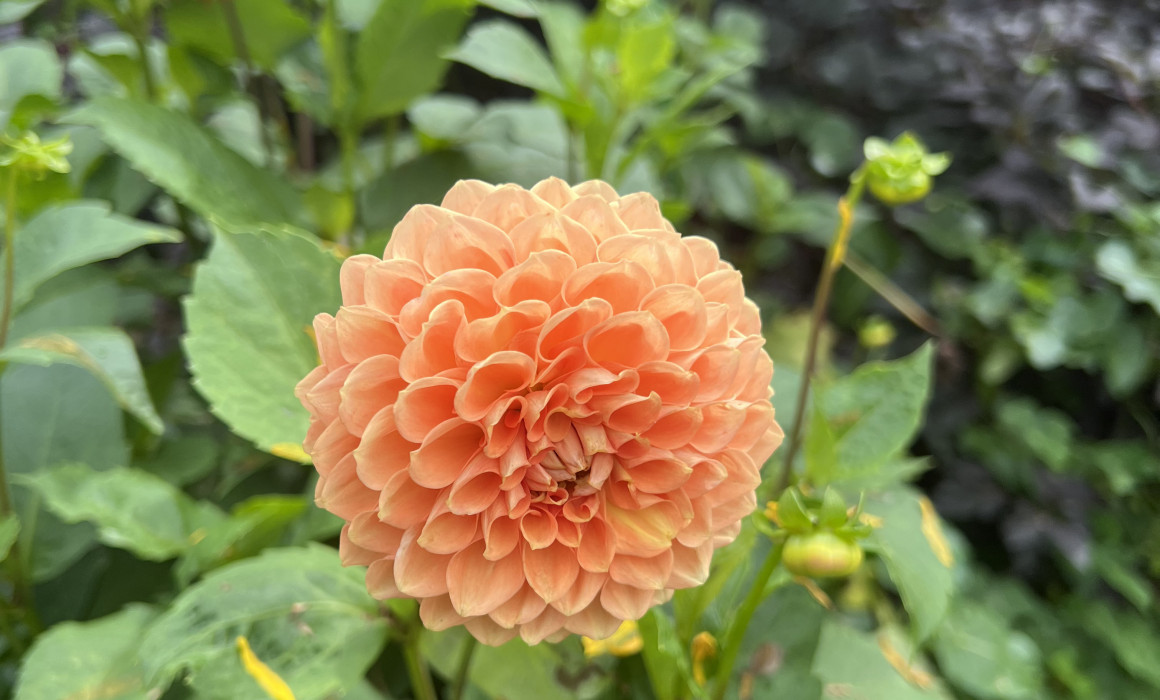
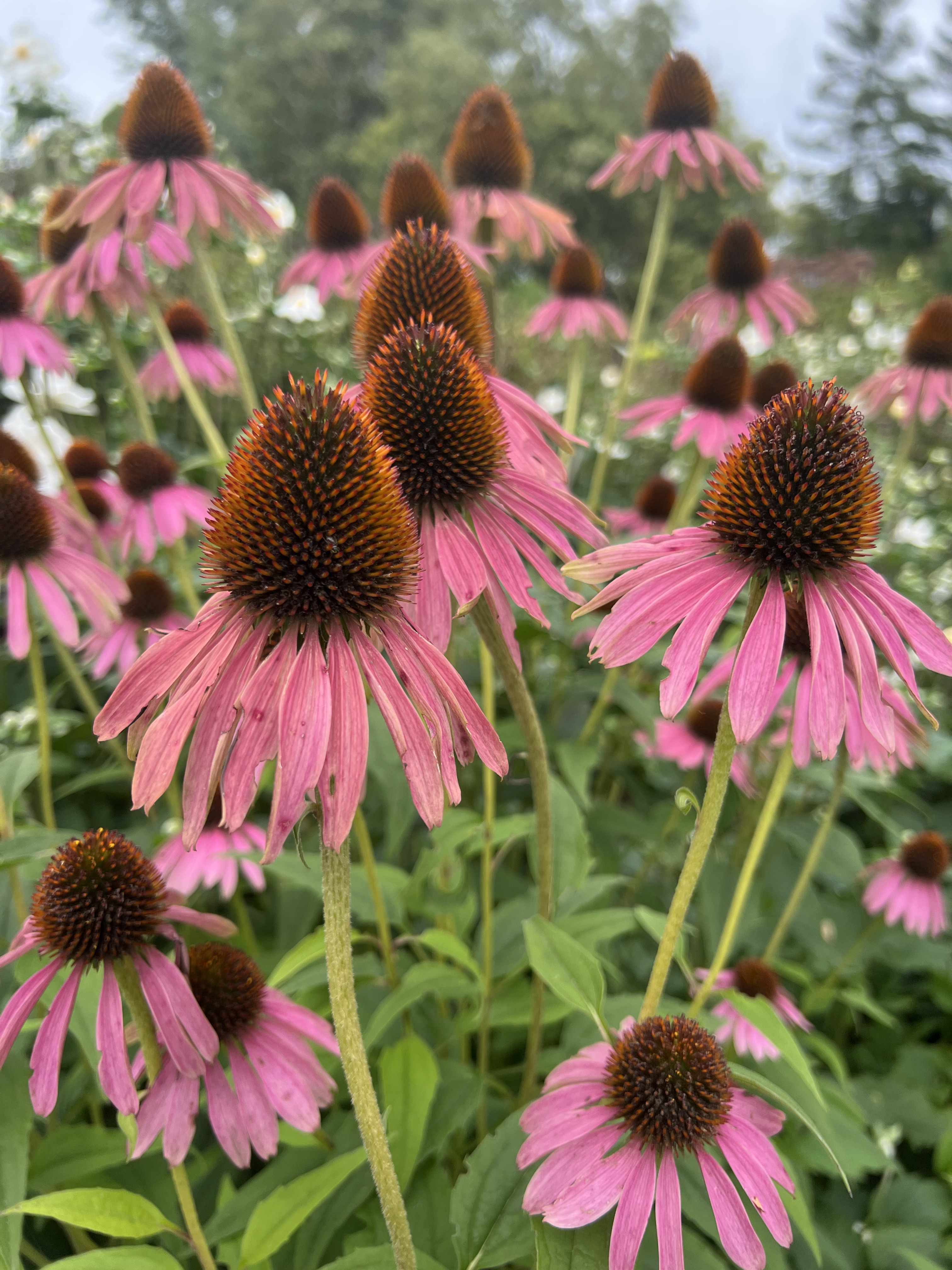
From summer to autumn 2022. Sounkyo, Hakodate


In the end, the mother entered the institution.
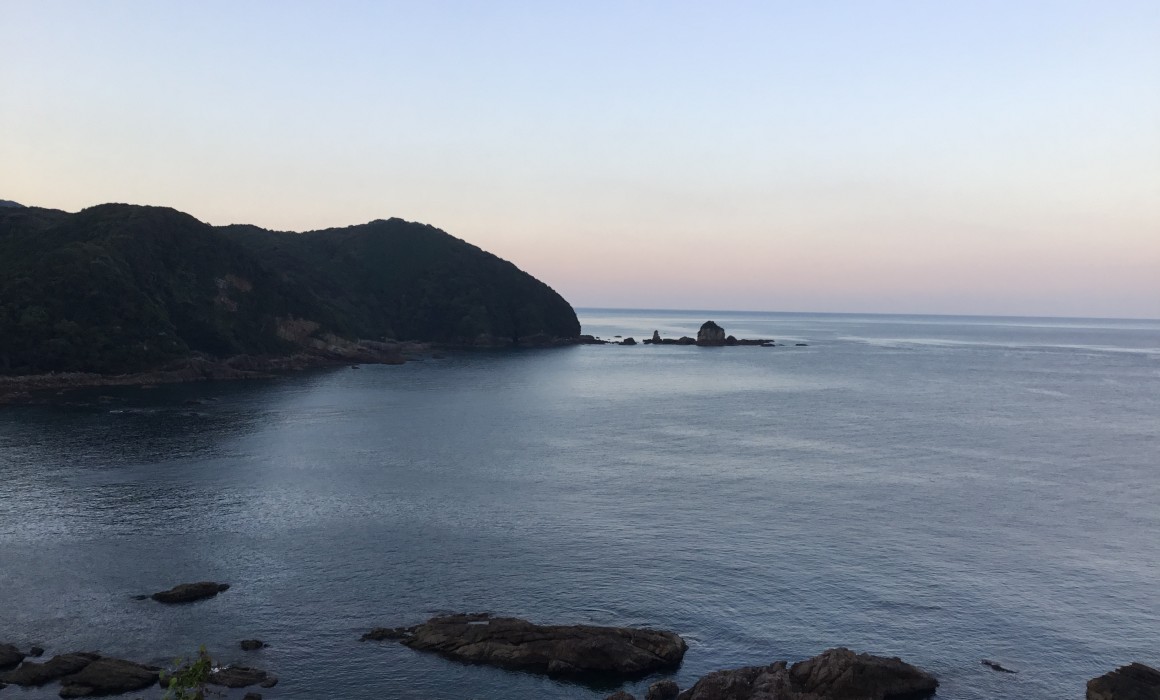
It may be difficult to go home.
But I hope someday I can come back home and live with my father.

I go back to my parents’ house at night and live with my father.
My father is in danger of falling down when he goes to the bathroom at night. I feel uneasy spending time alone at night. But my father has gotten used to it recently. If it’s for a few days, it’s okay to be alone at night.

I can go on a small trip.
I recently went to Asahikawa and Sounkyo Hakodate.

Upload photos and videos.

I didn’t expect to live with my father.
What will happen next? My father may live in an institution in the future.
It’s no use thinking about the future.
It is a feeling of being swayed alone in a small boat floating on the waves.I have no choice but to go with the flow.

IMG_1683


結局母親は施設に入りました。
家に戻るのは難しいかもしれません。
しかしまたいつか家に戻ってきて父親と暮らせればいいなと思います。

私は夜は実家に帰り父親と2人で暮らしています。
父は夜トイレに行く時に転倒する危険があります。夜1人で過ごすのは不安です。しかし父は最近慣れて来ました。数日間なら夜1人でも大丈夫です。

私は小さな旅行に出かけることができます。
最近旭川や層雲峡、函館に行きました。

写真や動画をアップロードします。


IMG_1870


IMG_1816


IMG_1805


IMG_1803


IMG_1830


IMG_1748


IMG_1762


私は父親と2人で暮らすことになるとは思いませんでした。
今後はどうなるでしょうか。父親が施設に入るかもしれません。
しかし先のことを考えても仕方がありません。
波の上に浮かぶ小舟に1人で揺られている感覚です。
流れに任せていこうと思います。


https://twitter.com/dj_yohji


IMG_1676
 
https://twitter.com/Net55an
 
https://www.youtube.com/channel/UCCSztsuoZYcHL05WdOx7FNQ/featured
 

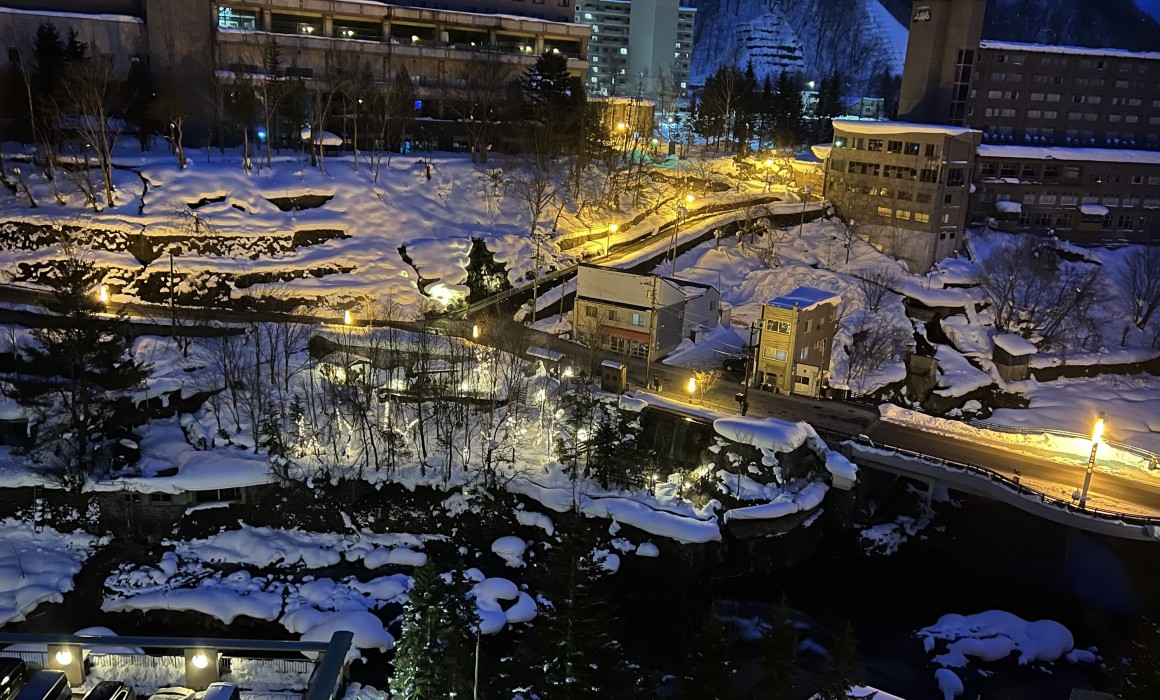
Jozankei Hokkaido, Japan 2022/2/20


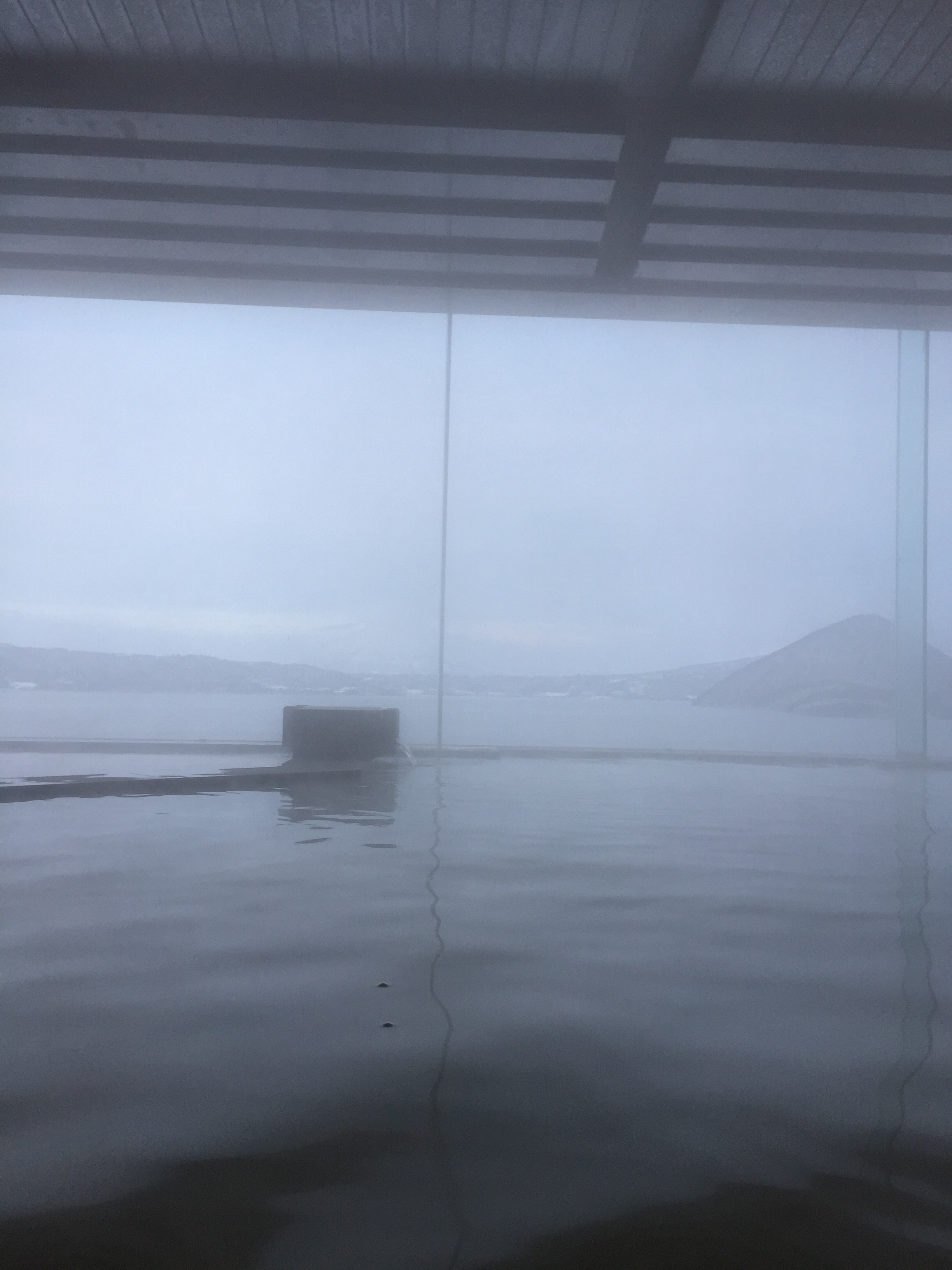
I came to Shikanoyu in Jozankei after 26 years.
It is a very good hot spring facility.
It is also close to Sapporo.
I recommend this inn.


26年ぶりに定山渓の鹿の湯に来ました。
とても良い温泉施設だと改めて感じました。
札幌からも近く、とてもお勧めの宿です。

 
C44682E9-244C-4AF7-8F16-9CB2EBB5310E

 
7984D470-FE49-4BDA-B14B-DC2717C214C1


On the way home 26 years ago,
I came up with the idea of ​​starting a business
Gogoan Social Worker Office


26年前の鹿の湯からの帰り道に、五合庵社会福祉士事務所の開業が閃きました。


1DBCA7EF-8177-41FF-A009-FBF17B358D44


I went back to Sapporo and looked for an office.
Soon I rented a office along Toyohira River.
I was 26 years old.


AA25ABB9-3EB4-4D4D-B642-E405EAE0EF2F
 

札幌に戻るとすぐに事務所探しを始めました。
1ヵ月ほどで事務所が見つかりました。
最初に借りたのが豊平川沿いのワンルームの小さなアパートでした。確か26歳だったと思います。


0DEADBBA-D712-4246-8374-EF7F9607365B


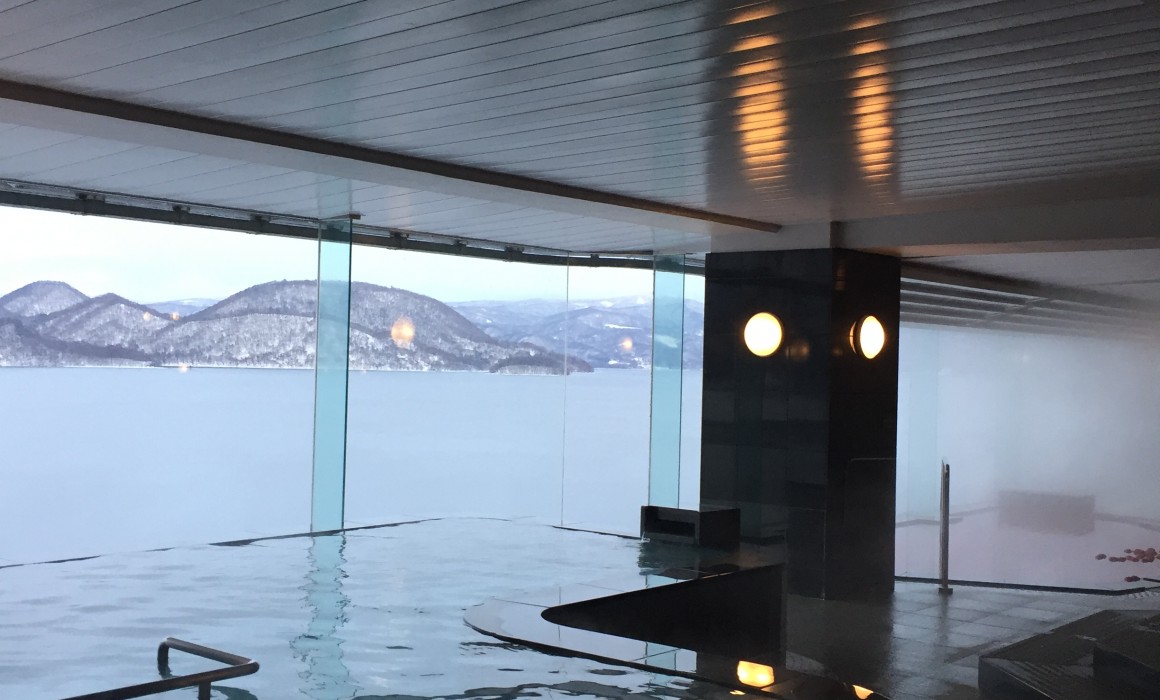
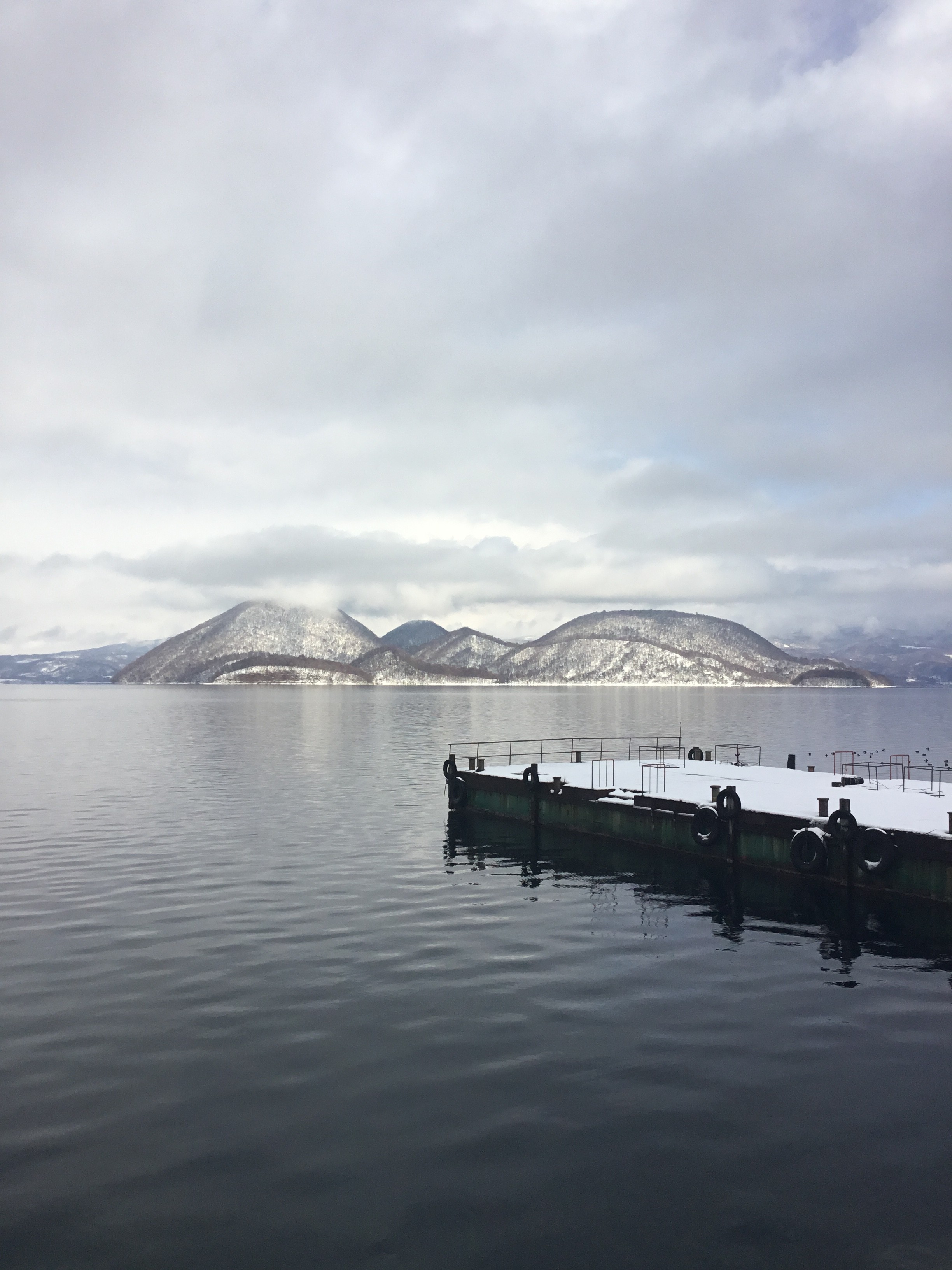
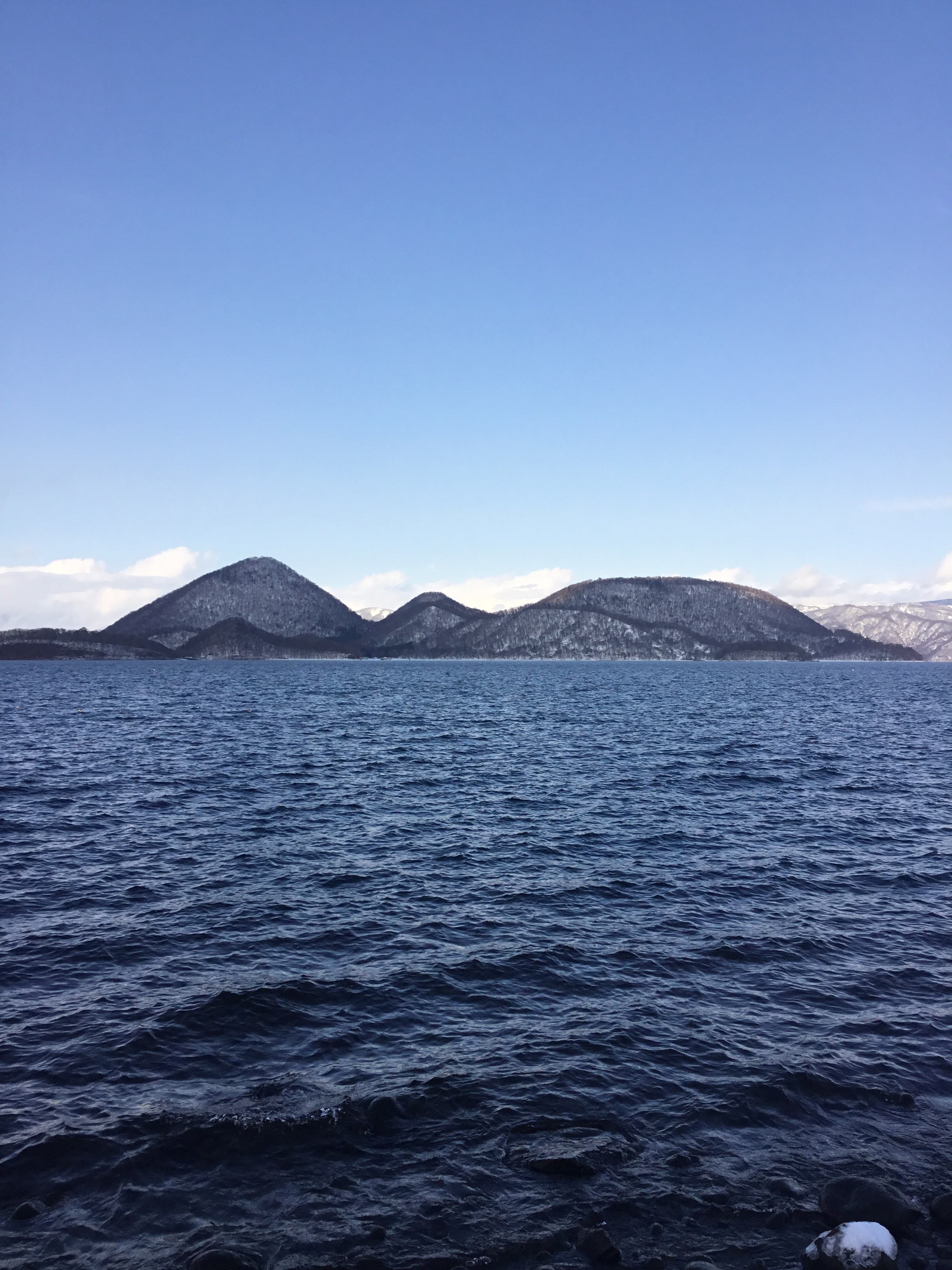
Lake Toya, Monday, December 20


Lake Toya, Monday, December 20


D35AE50B-7229-4D5D-B167-5B9478ED65C2


It was a heavy snowfall in Sapporo last week. I spent a lot of time shoveling snow at my parents’ house.
It’s been two months since my two parents entered the facility together. I came to Lake Toya for the first time in a while because I was a little calm.


札幌は先週大雪となり私は実家の雪かきに追われていました。
両親が2人揃って施設入所して2ヶ月が経ち、少し落ち着いた隙に洞爺湖へ久々にきました。


E7DF22CF-218A-4DD8-9A6E-E699482BC864


03467FD7-7865-4B05-B681-12EE53890B02


  8F3CF768-BE5F-47A8-BFFE-53B415008C13


E72C88D1-5EFC-4349-8356-AEF976CBB080


8EB1595A-3751-45A2-BCE3-069877F4D1B2


D808D5B4-F5C4-4416-9A65-F6C6A25DF312


These days I sometimes feel the decline of my father’s body and mind as if it were my own.

Now is the most important thing for me
Now is everything
I realize that the present accumulation is the present, the past, and the future. The trip is very good for me.


I work as long as I am needed by a person. When my role is over, I will leave for the other world.
I wish I could have such a way of life.


最近は父親の衰えを自分に重ねてしまうことがありましたが、
旅行に来ると改めて私にとって今が1番大切、
今がすべて、
今の積み重ねが今であり過去であり未来であるということを実感します。
やはり旅は私にとってとても良いものです。


人から必要とされる間は働き、役割が終わったら、衰えを感じる間もなくあの世へ旅立つ、そういう生き方ができたらいいなと思います。


November 2021 moerenuma park lake toya Nakajima

 
October 31 lake toya Nakajima

https://sobetsu-kanko.com/en/spot/nakajima
https://ja.wikipedia.org/wiki/中島_(洞爺湖)

洞爺湖 中島

 
69F2A102-0A56-42E5-A35B-93C013B57DC1


 A994EA47-C640-4D9D-8E22-1E8465A236B1


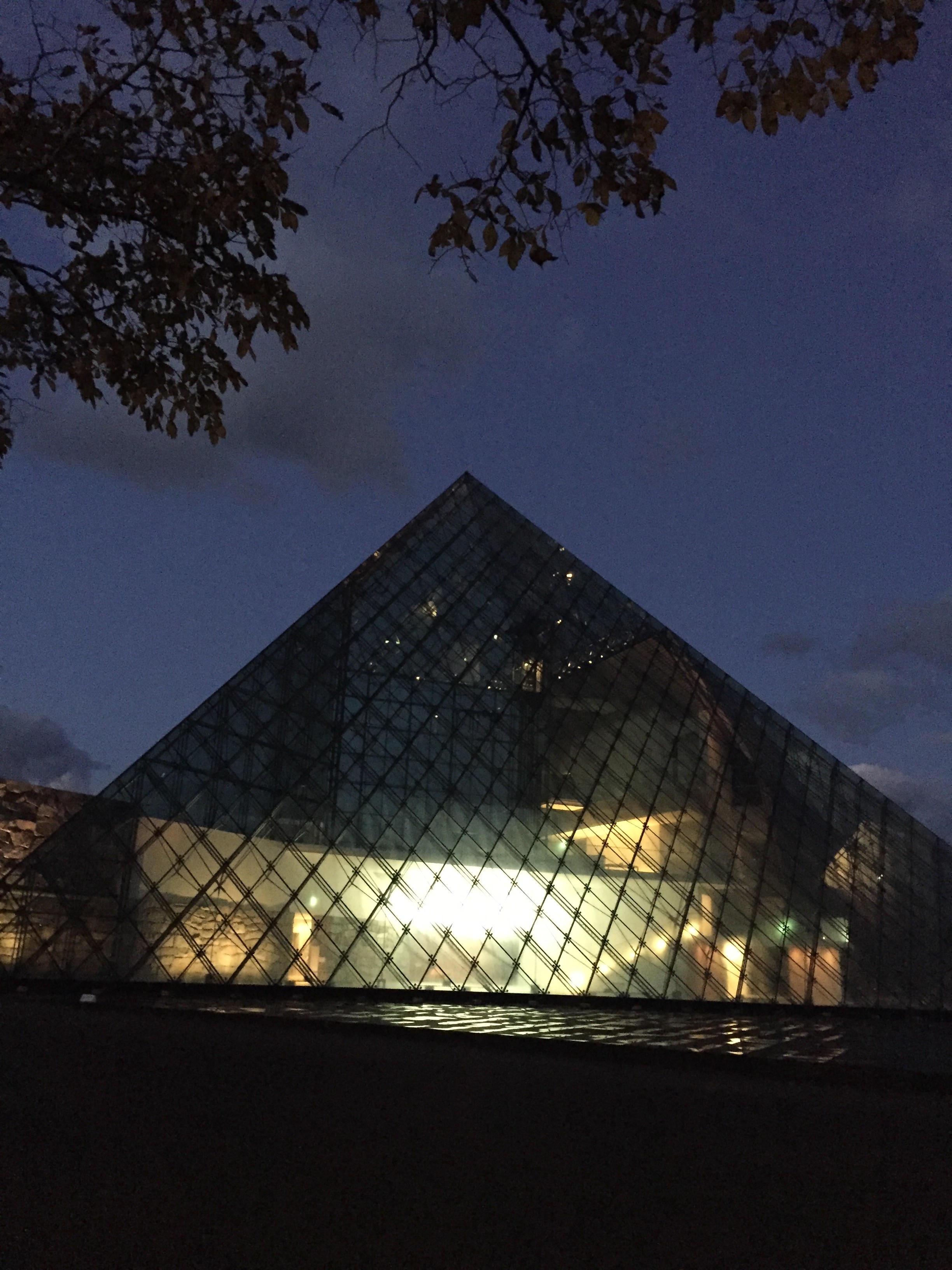
October 23 moerenuma park

モエレ沼公園 ガラスのピラミッド

https://www.japan-guide.com/e/e5313.html
https://en.wikipedia.org/wiki/Moerenuma_Park


5DF80555-DA62-4B7F-8581-D4AA9FB6EC10


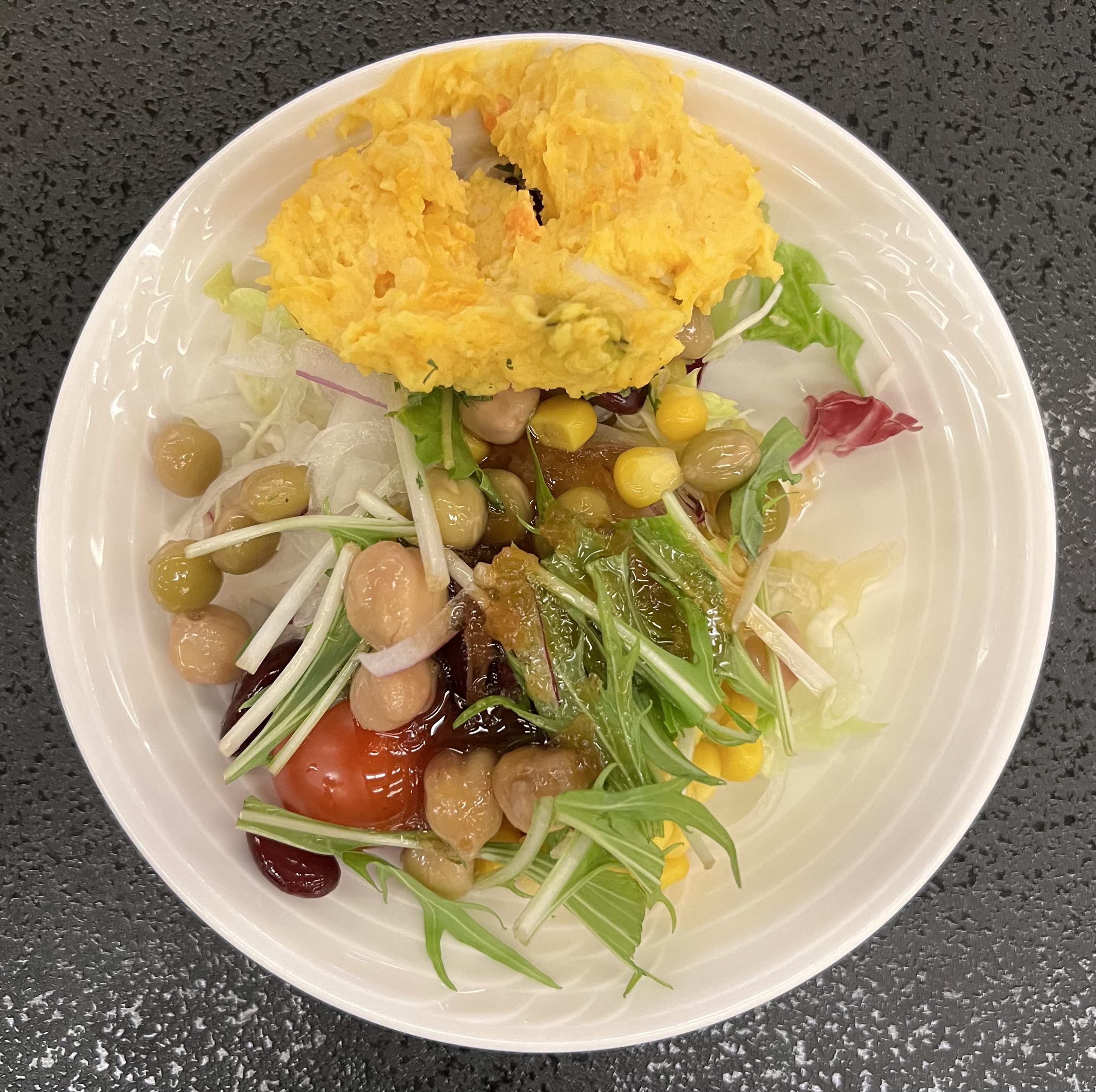
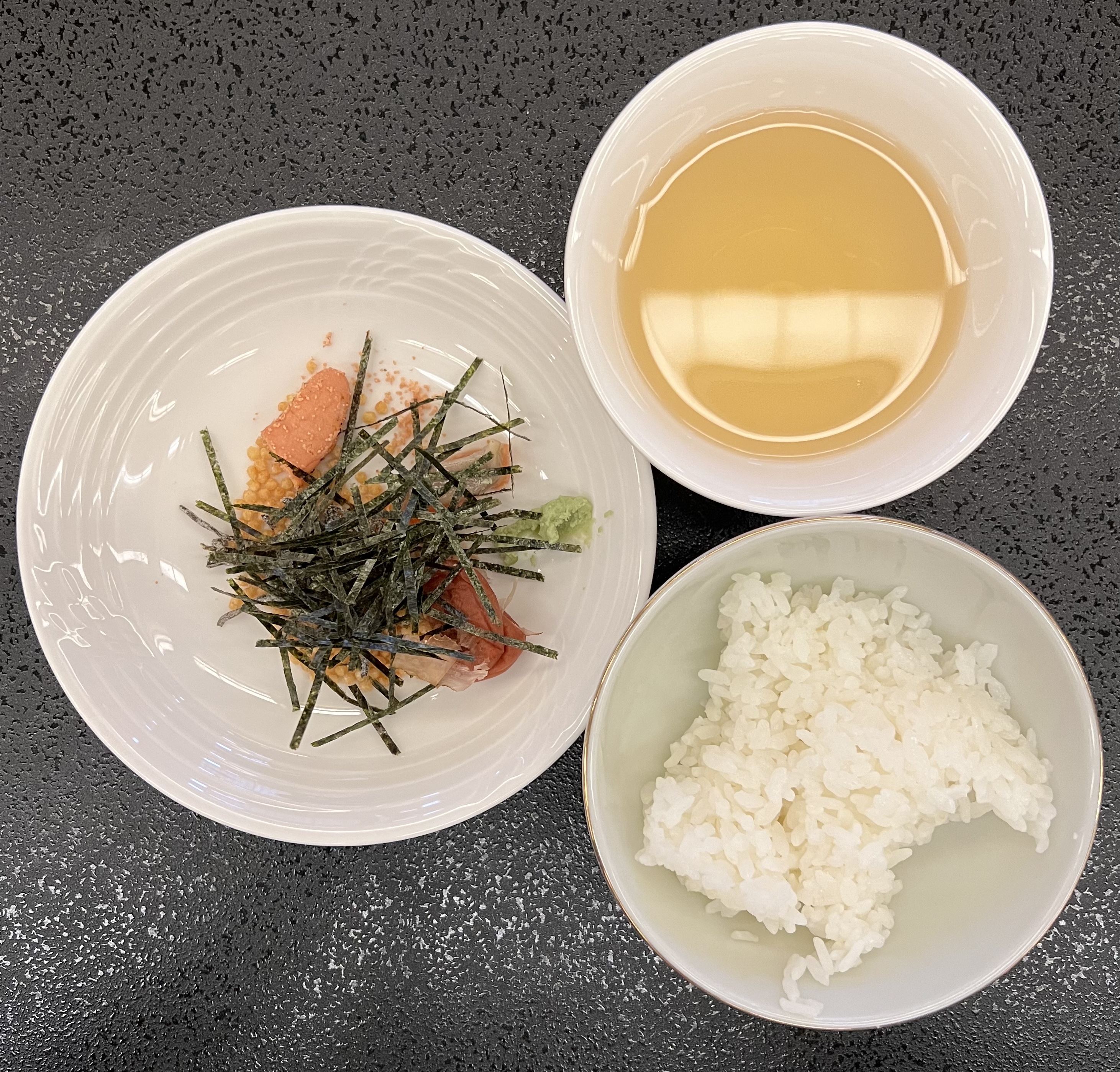
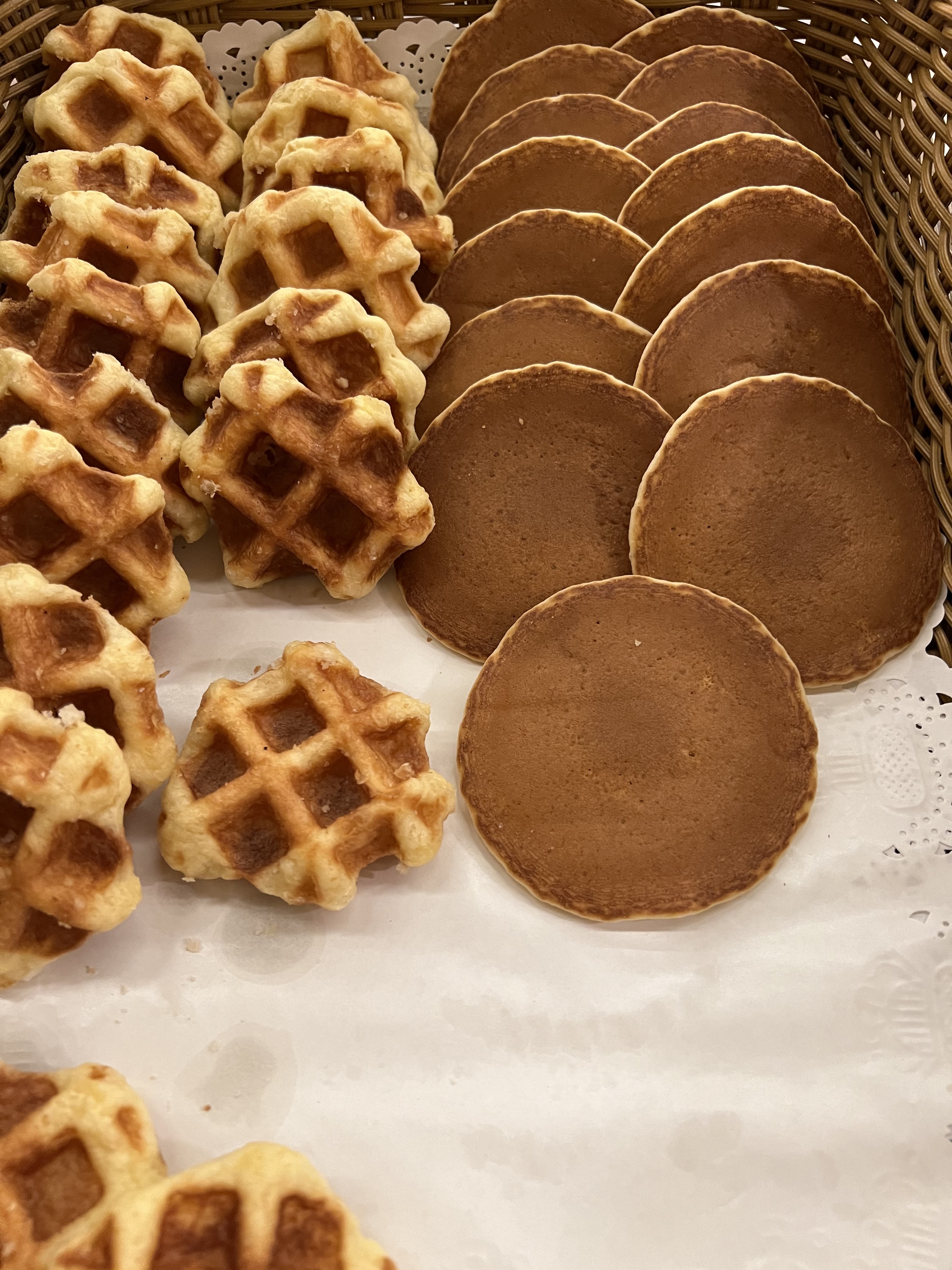
November 4 Breakfast

 
D339E566-86BB-47F7-B1E6-6265DB571FAA


FB426945-0110-4DB1-AA02-9CB2DC3B321A


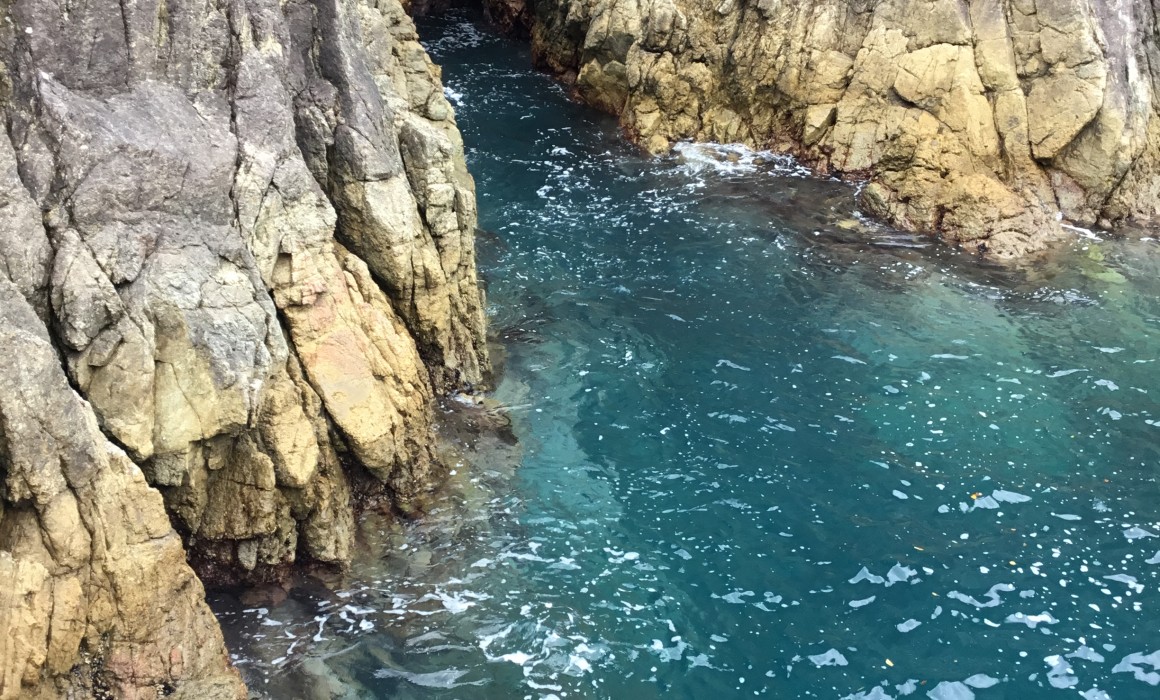
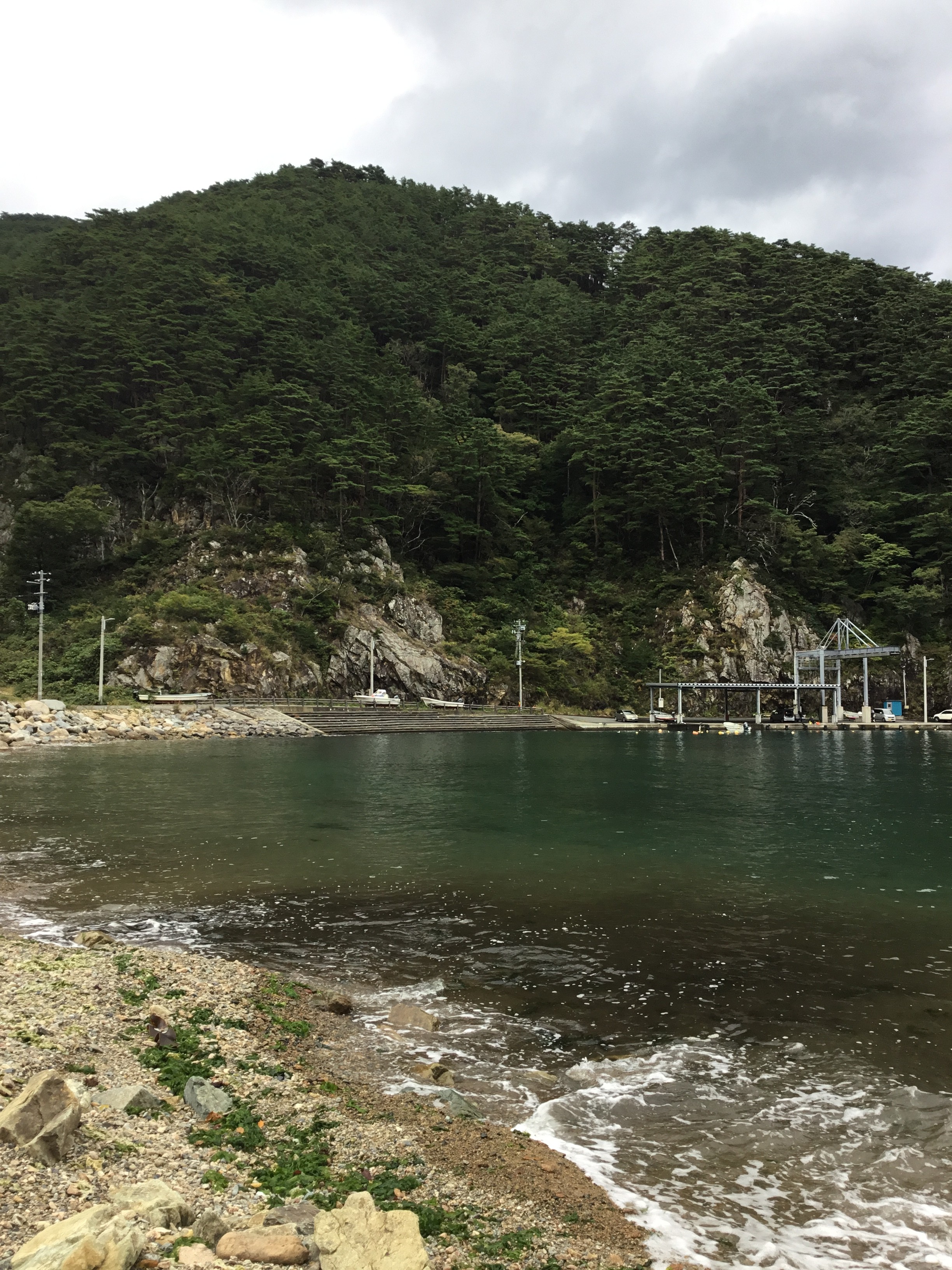
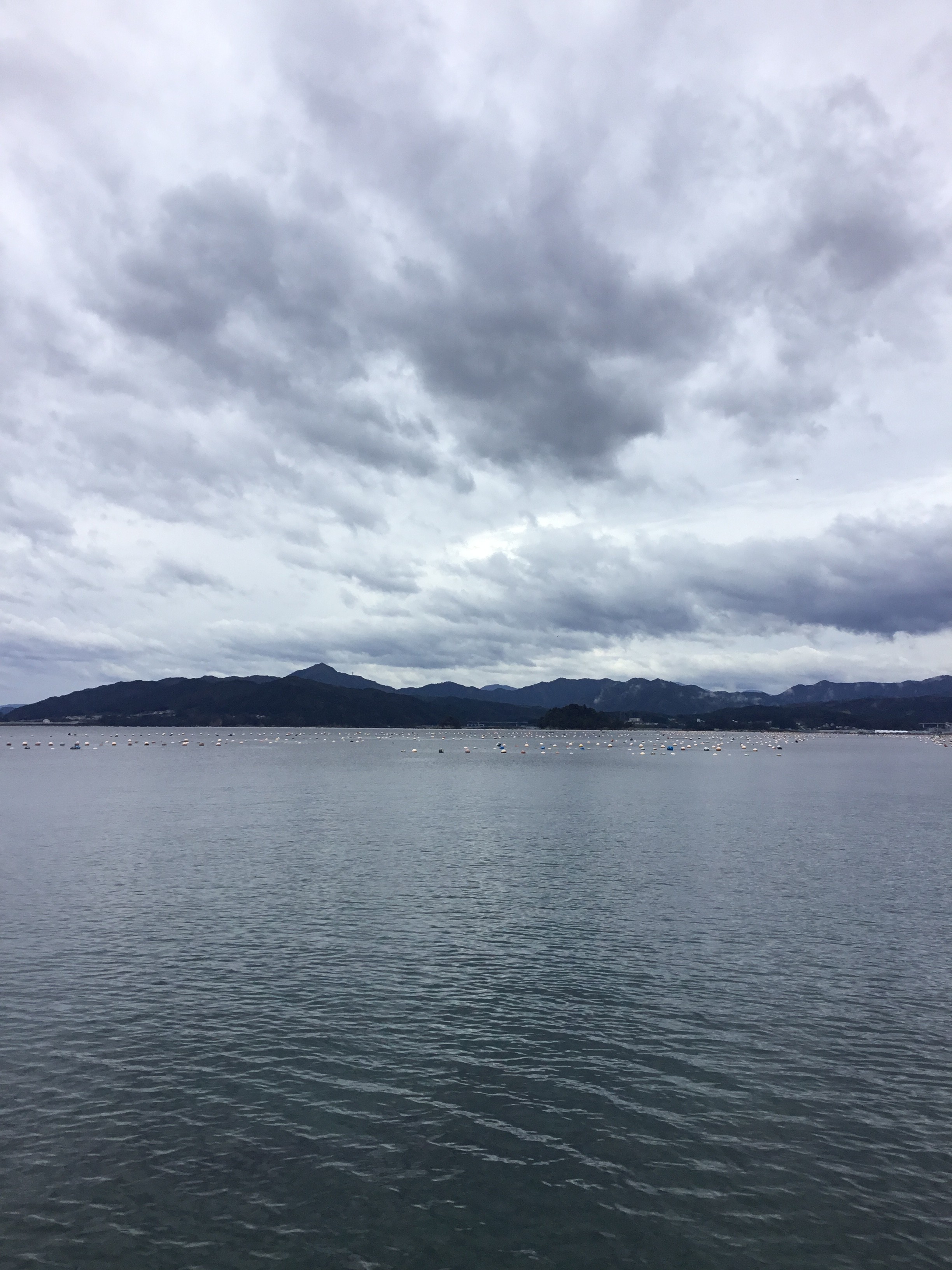
Sanriku coast Walk 三陸海岸 散歩


2D5D1E9B-8FE8-4A21-8C3F-575B9E6D15E5


D4C98F9C-B5BC-4968-B98A-C5D60E8B253F


3FED4857-7ACE-4446-9879-E084E351F67E


In 2021, I vaguely thought that I wanted to travel Miyagi, Iwate and Sanriku.
I’ve never been there before.
Since the timing was good in October, I took the plunge and traveled Sanriku by car and ferry.
I was vaguely thinking why I was from Iwate.
When I actually came, I finally found the answer.
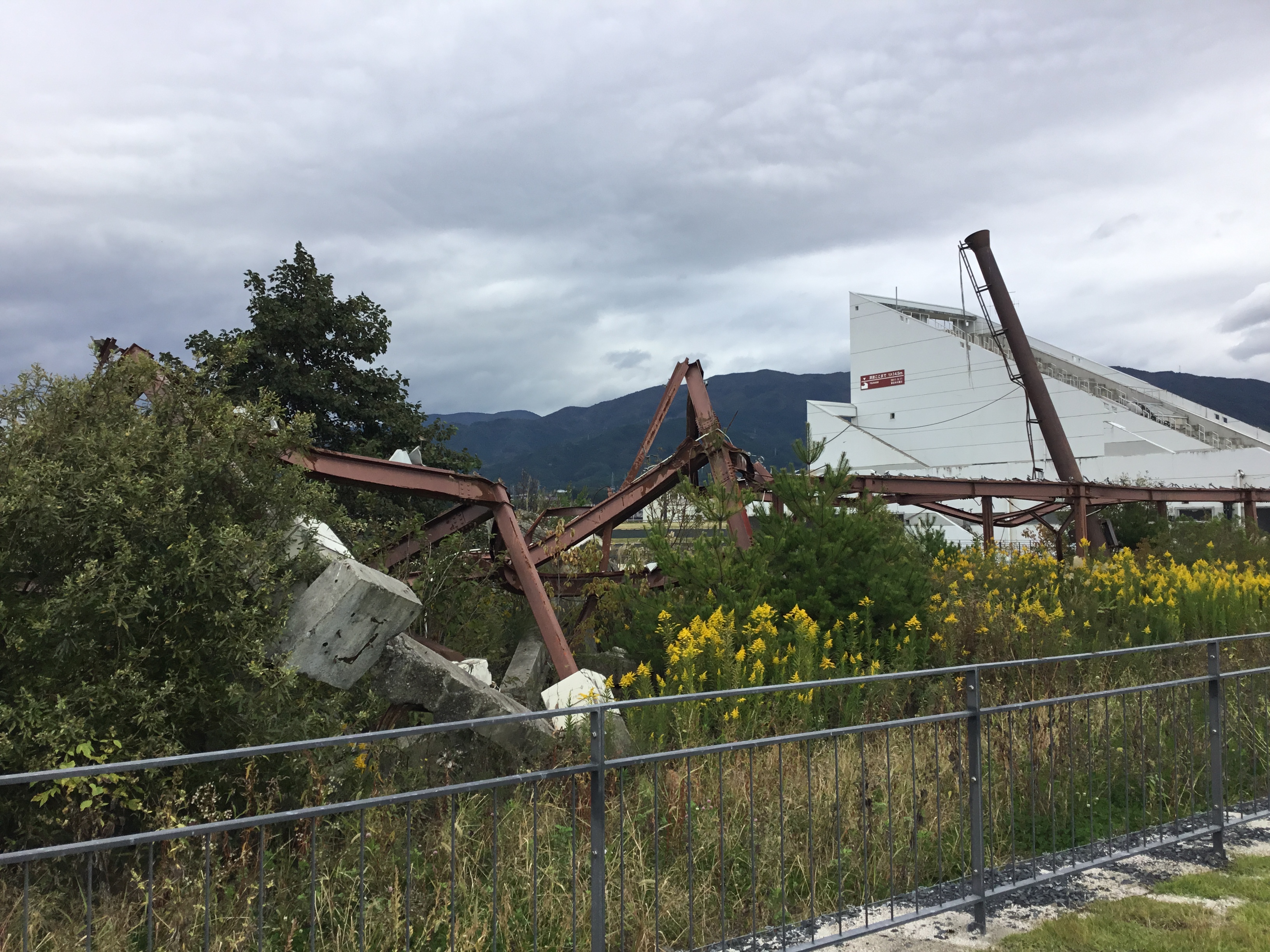
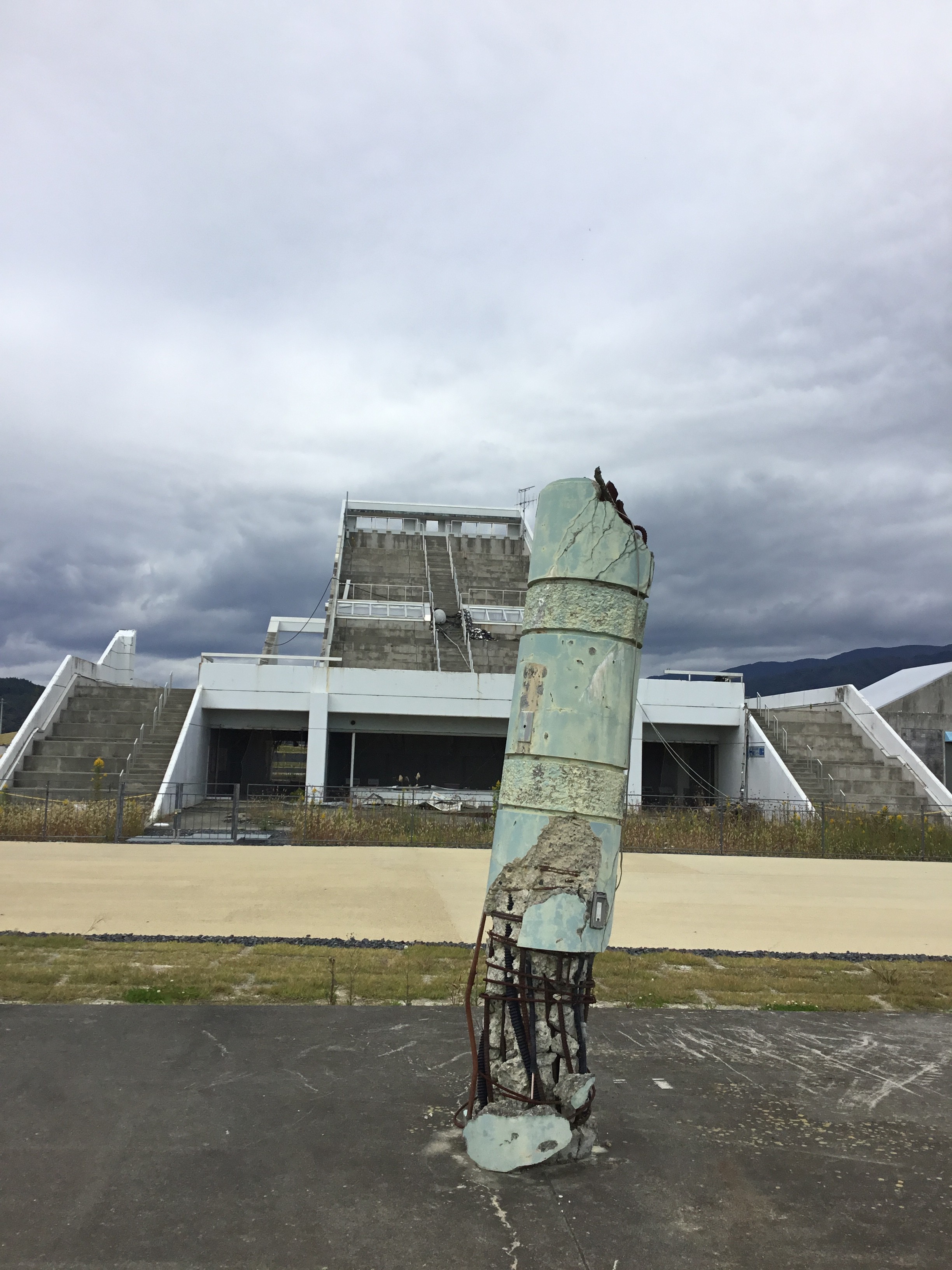
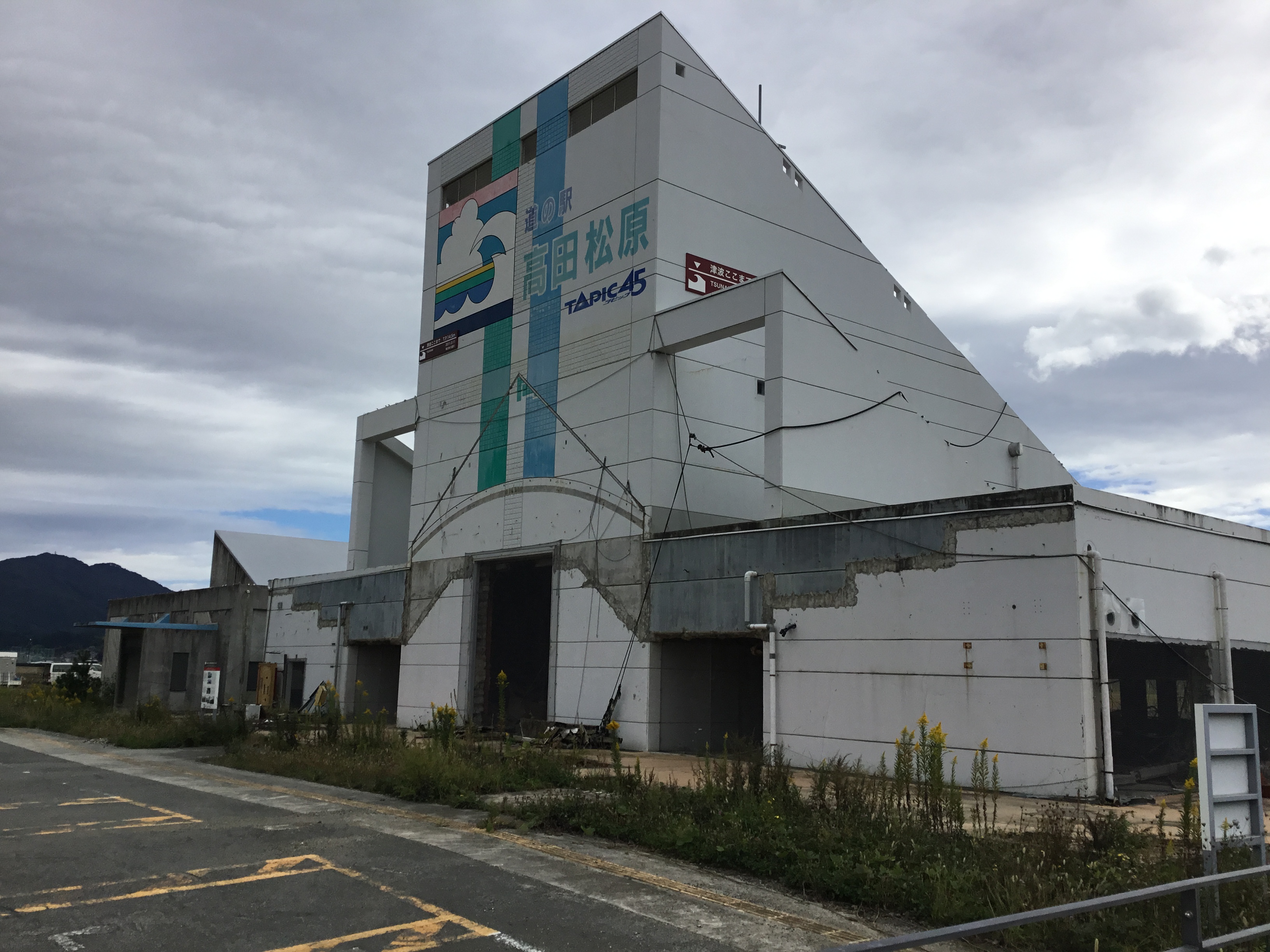
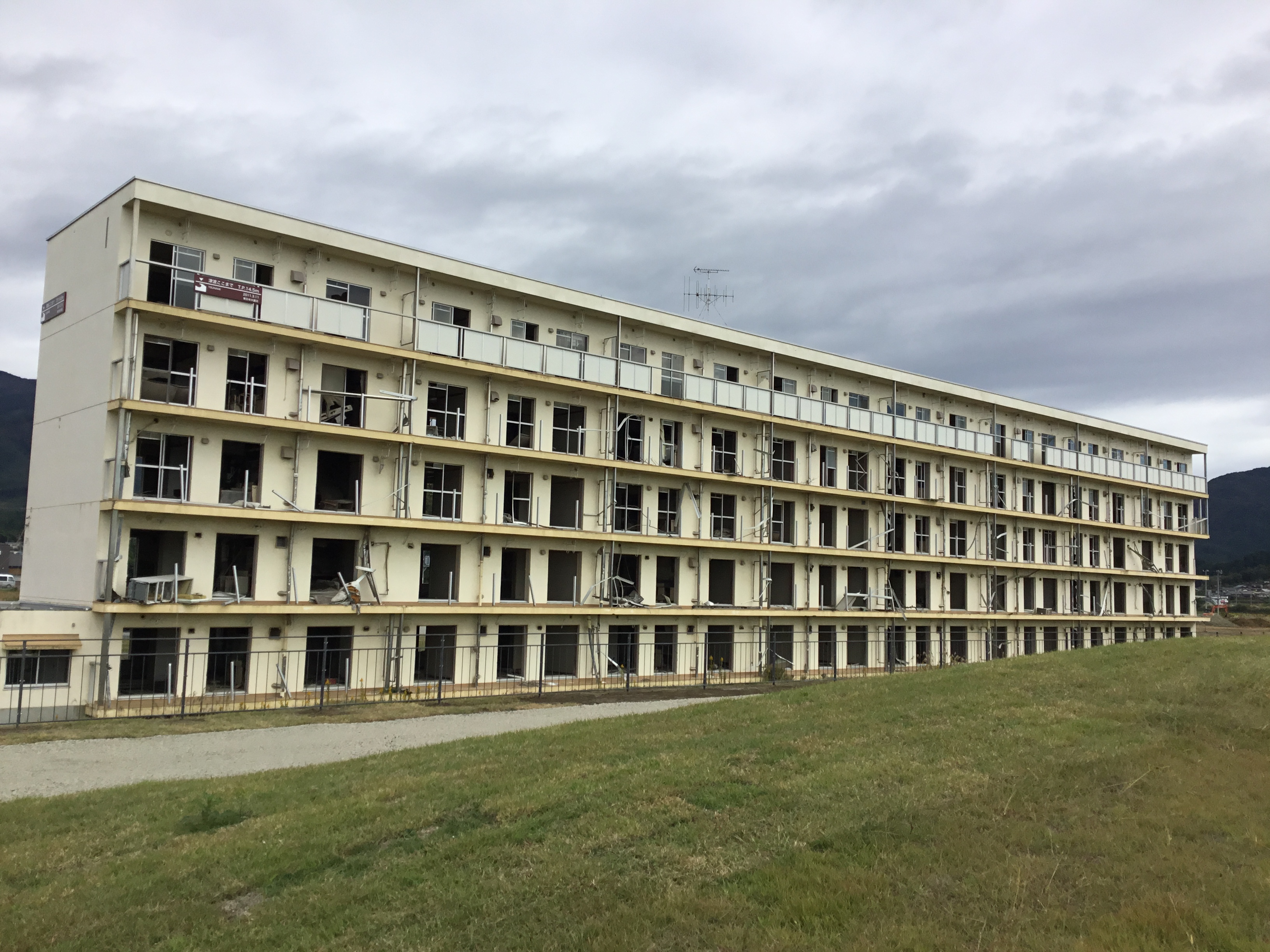
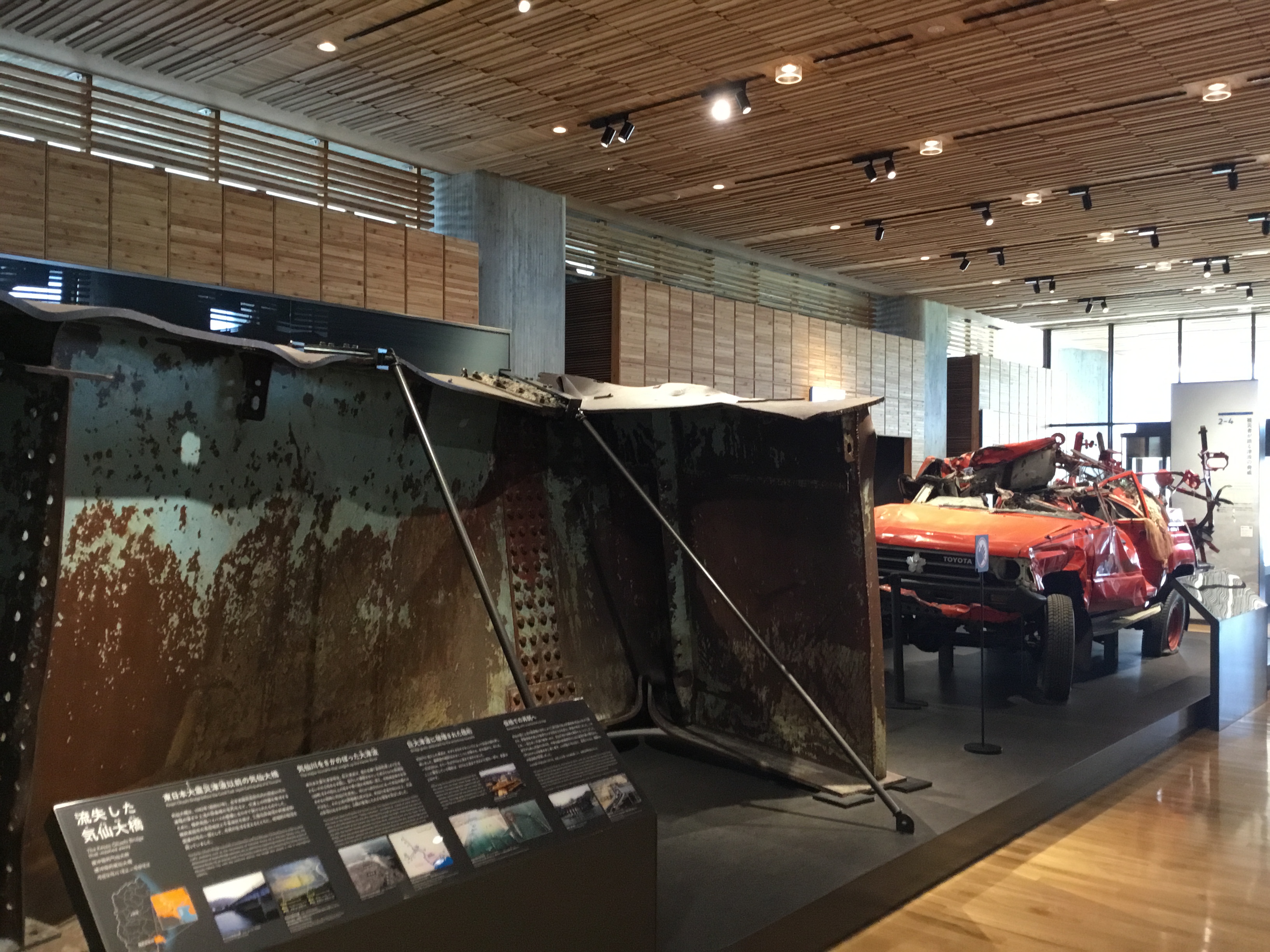
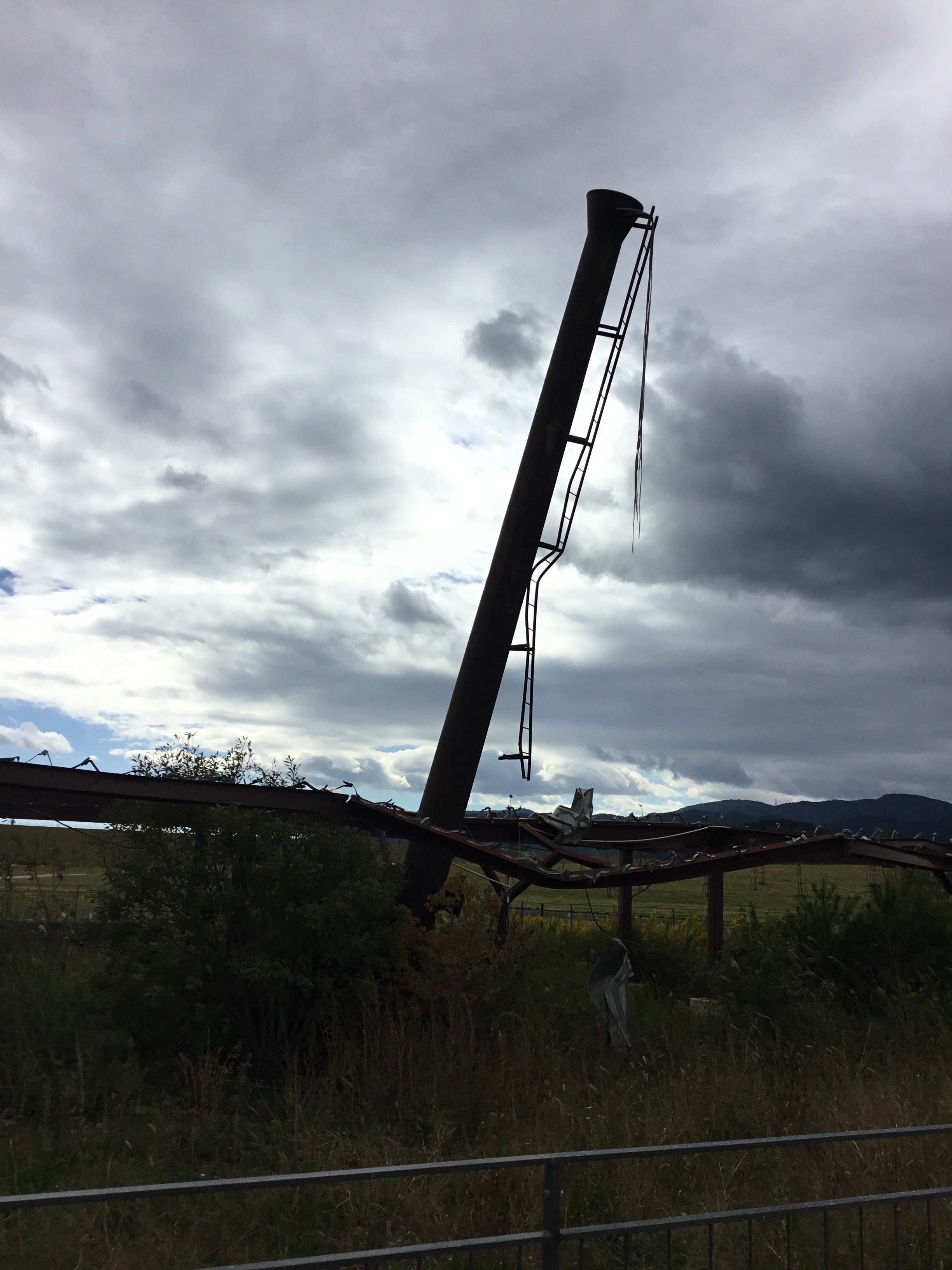
10 years ago, I saw the site of the Great East Japan Earthquake in 2011, and I was able to see and understand the reconstruction area with my own eyes.
I learned the gratitude again. How happy are the usual things like drinking water, electricity, eating, sleeping on a futon?
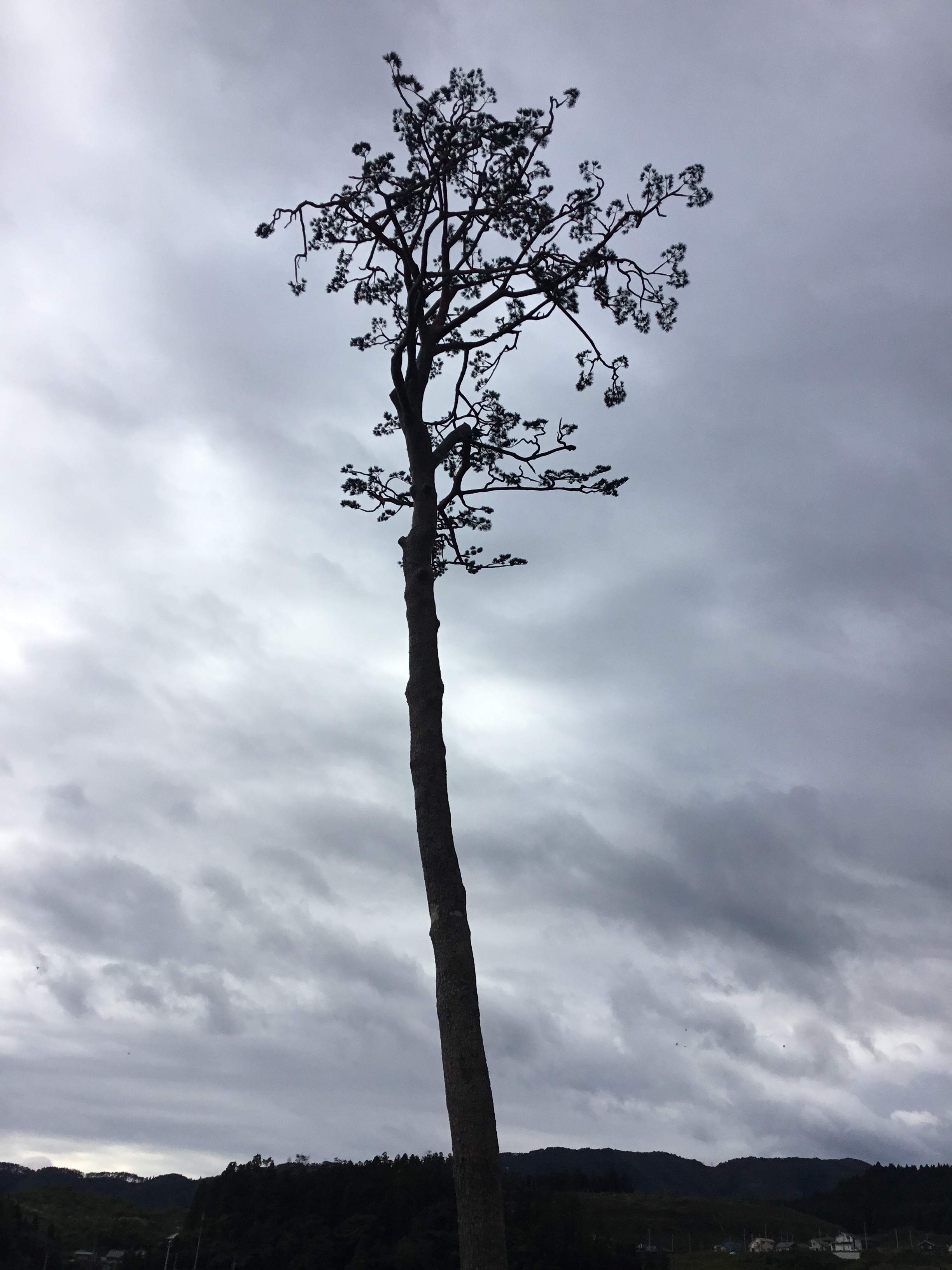
There is a monument of cartoonist Takashi Yanase in the miraculous Ipponmatsu, and it is written like this. Tens of thousands of pine trees were swept away by the tsunami and only one remained. I repeated it to myself and my life, and tears came out. I think it says something like that.
Takashi Yanase is a cartoonist who finally blossomed in his late years while his friends gave up being a cartoonist.
There is no time to waste.
But on the other hand, human earthly desires and desires do not disappear.
Once again, I felt my own smallness, smallness and hopelessness.
No matter how good you say or do, you have a helpless self, but you are the only one.

I’m grateful, I’m frugal, but I’m just who I am.

It’s up to you whether you use this card or kill it. Depending on your awareness, the card can be a royal straight flash.
It was a trip to experience them.


2021年に入り、宮城や岩手、三陸を旅したい、と漠然と思いました。
それまで1度も行ったことがない土地です。
10月になりタイミングが良かったので、思い切って自家用車とフェリーで三陸を旅しました。
なぜ岩手の方だろうと自分でも漠然となんとなく考えていました。
実際に来て、ようやく答えが見つかりました。
10年前2011年の東日本大震災の現場を見て、また復興している地域を実際に自分の目で見て理解できました。
改めて感謝を学べました。普通に水が飲める、電気がある、食事ができる、布団で寝られるといった当たり前のことがどれだけ幸せか。
奇跡の一本松に、漫画家やなせたかしのモニュメントがあり、このように書かれていました。数万本の松が津波で流され、たった1本だけ残りました。それを自分に重ね、自分の人生と重ね、涙が出てきました。と言うようなことが書かれていたと思います。やなせたかしは周りの仲間が漫画家をあきらめる中で、晩年ようやく花が開いた漫画家です。無駄に過ごしている時間はない。
しかしその一方で人間の煩悩や欲望はなくならない。
改めて自分自身のちっぽけさ、小ささ、どうしようもなさを感じました。
どんなに立派なことを言ったりやったりしてても、本当にどうしようもない自分がいて、しかし自分は自分でしかない。

感謝と、ふがいなさと、しかしありのままの自分でしかない。
この手持ちのカードを生かすも殺すも自分次第。自分の意識次第でそのカードはロイヤルストレートフラッシュにもなる。それらを実感する旅でした。


Amakusa, Ibusuki, Kyushu 天草 指宿


B1AB5D53-6463-40C1-8F56-7E8CB3AAD9E4


2D704DEE-061C-4838-B922-74EBF285D77F


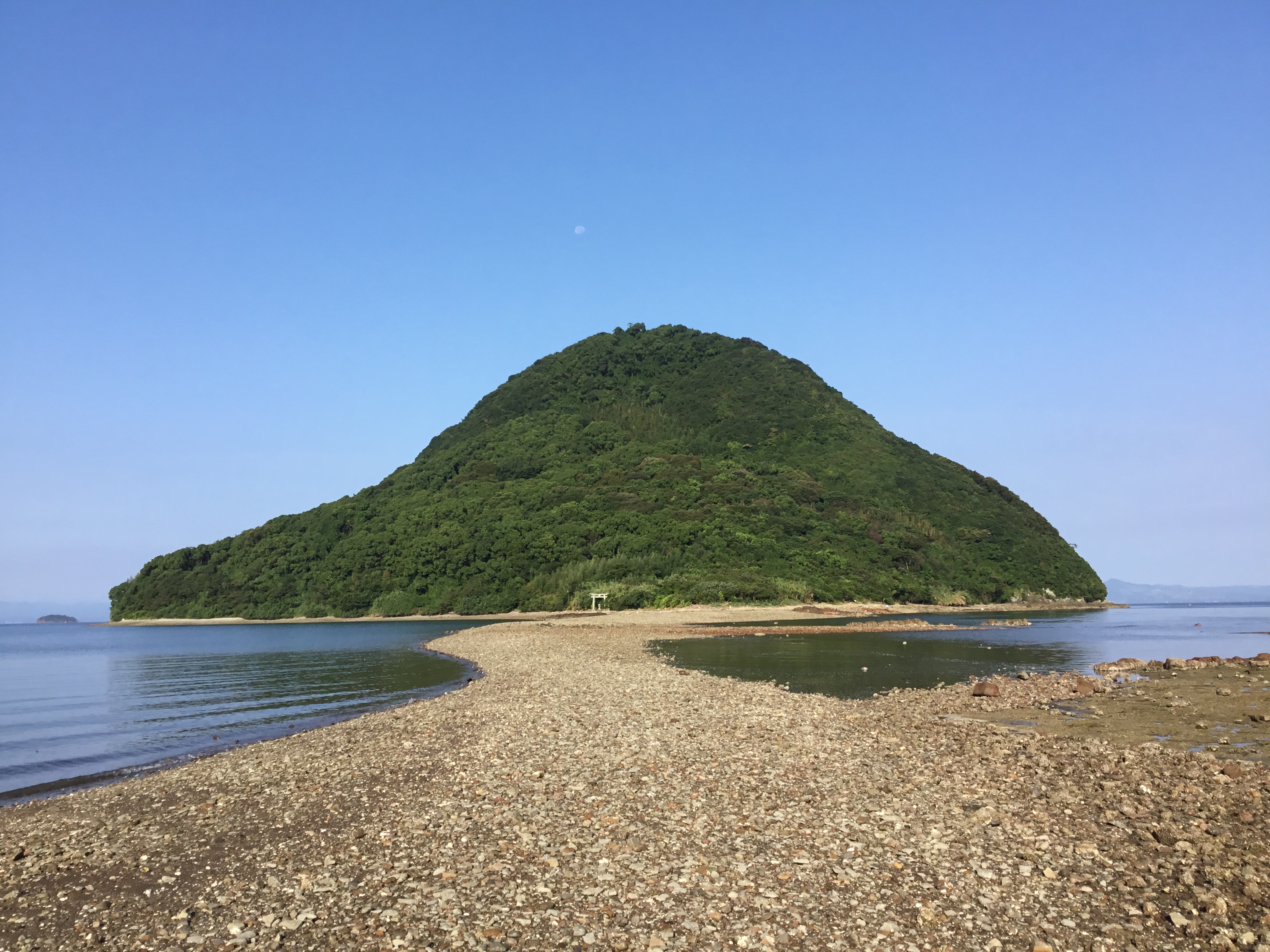
I stayed overnight in a car on the Amakusa beach, and the next morning I drove for 7 hours to Ibusuki.
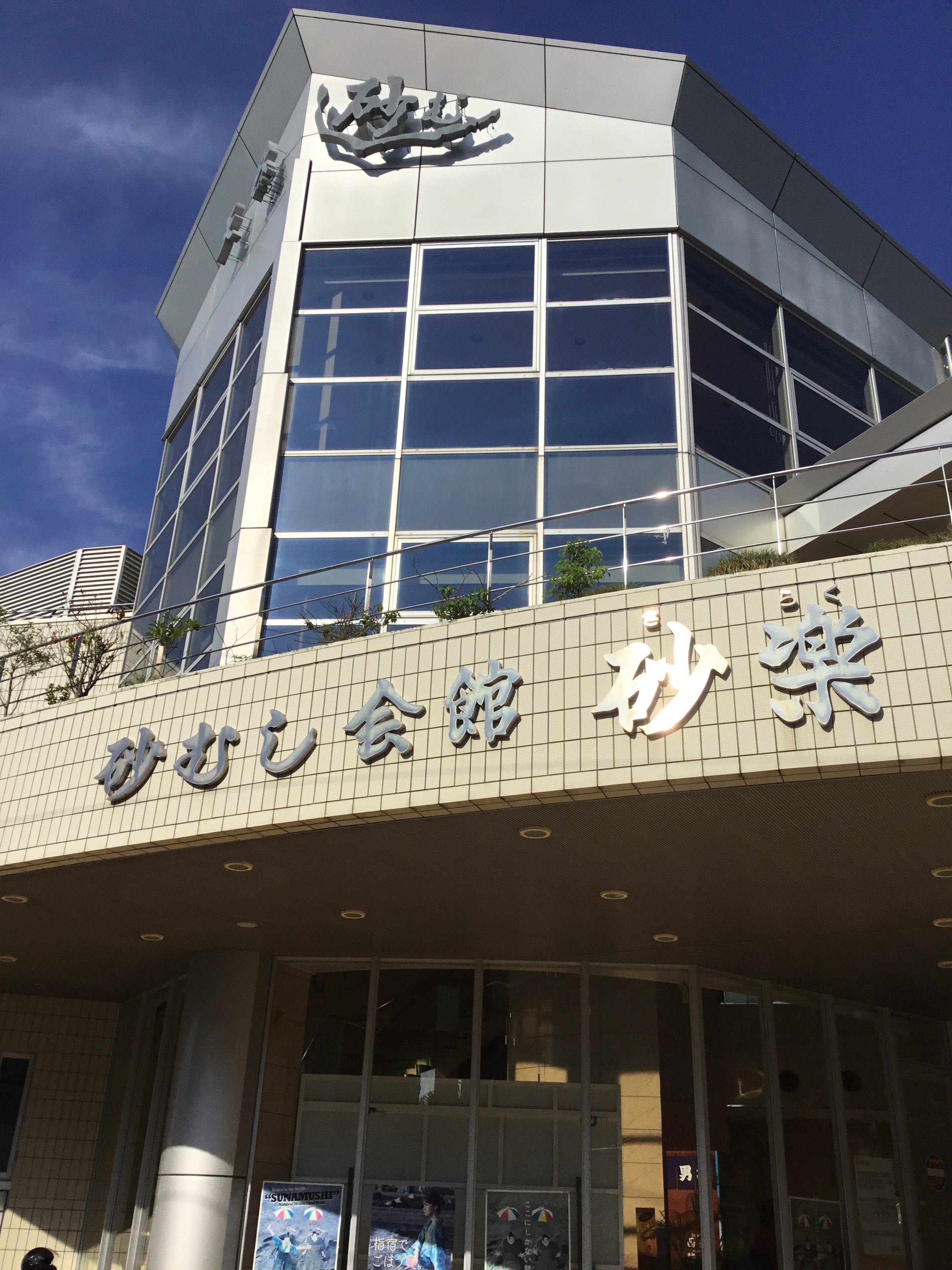
Ibusuki is famous for its sand steaming hot spring on the coast, and you sweat from your whole body when you are buried in the sand for about an hour. It says that the buried time is about 10 minutes, but I think it’s better to stay for more than 20 minutes.
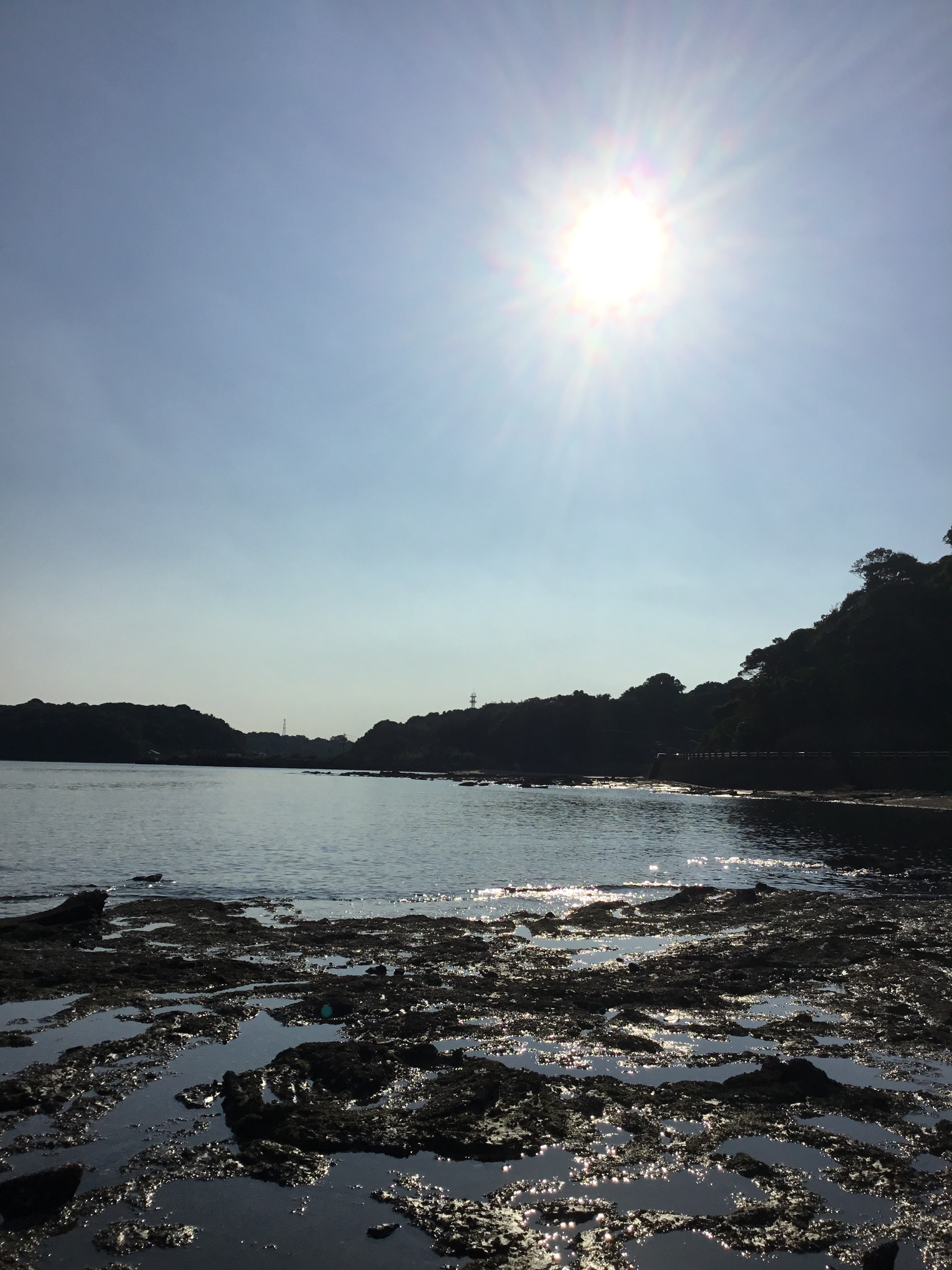
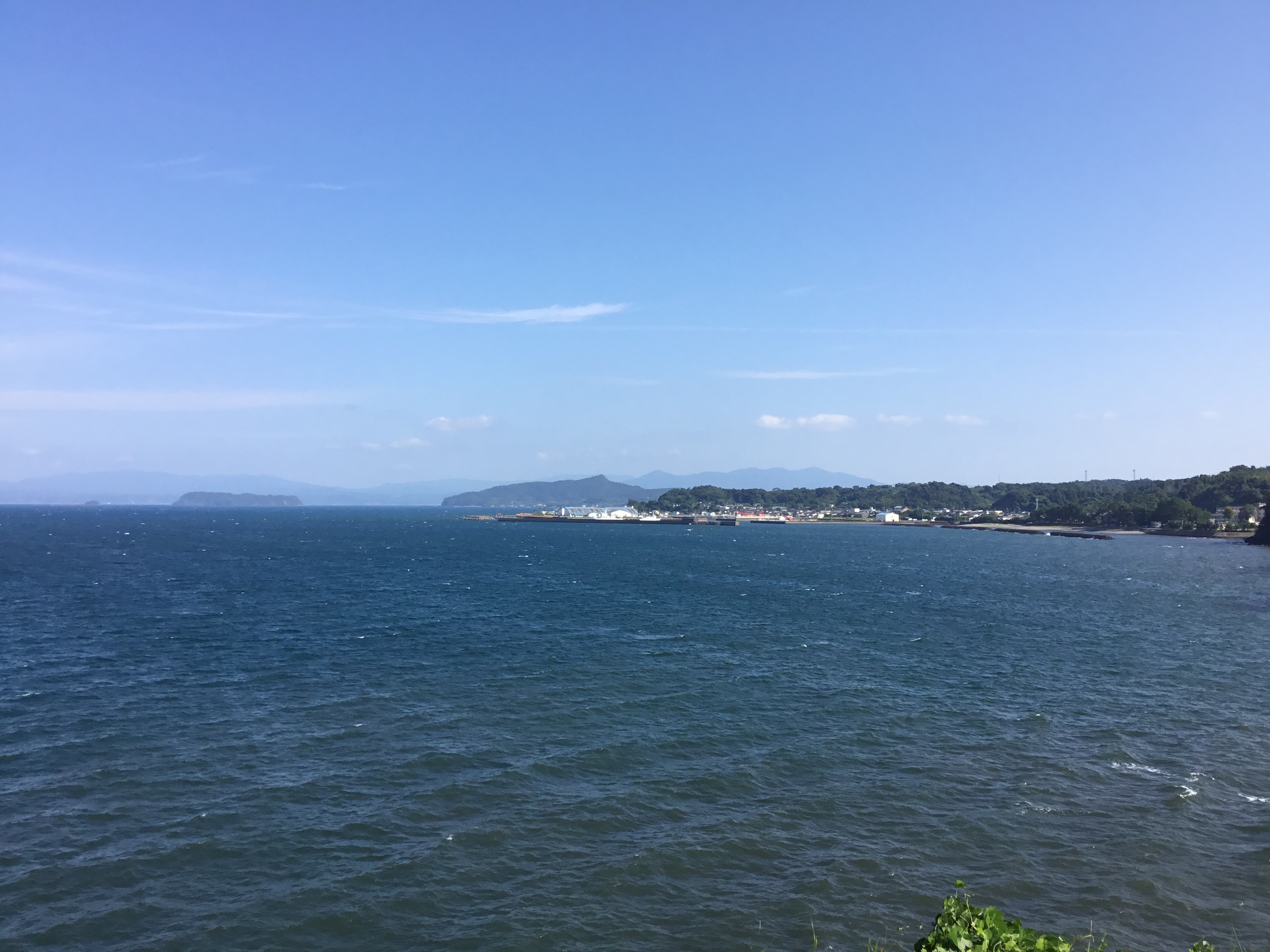
The view from the coast of Amakusa and Ibusuki was very beautiful.
AH!


F9B0868B-8CA1-40F4-A2E3-A1C2B11FD8F7


A11796BE-39D5-4F39-BD0E-D8633A5D6C6D


天草の海岸で車中泊をし、翌朝車で7時間かけ指宿へ。
指宿は海岸にある砂蒸し温泉が有名で、1時間ほど砂の中に埋まっていると全身から汗が出ます。砂に埋まっている時間は10分程度と書かれてますが、20分以上はいたほうが良いと思います。
天草も指宿も海岸からの眺めはとてもきれいでした。


83BE7DFB-ACB8-4186-8CDF-DD88FC7AA561


Miyako Fish Market Iwate

Sakana Ichiba restaurant in Miyako City

map


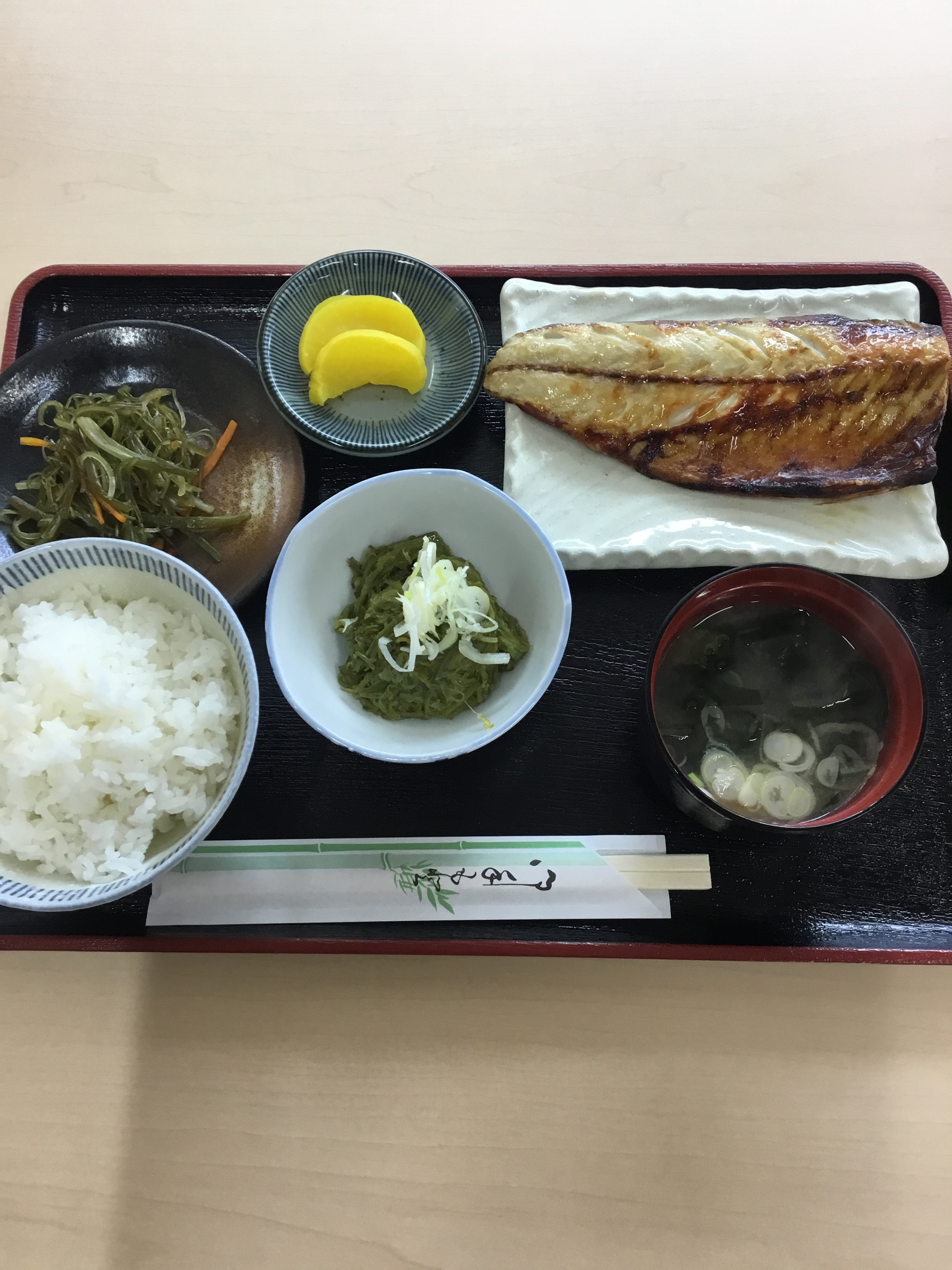
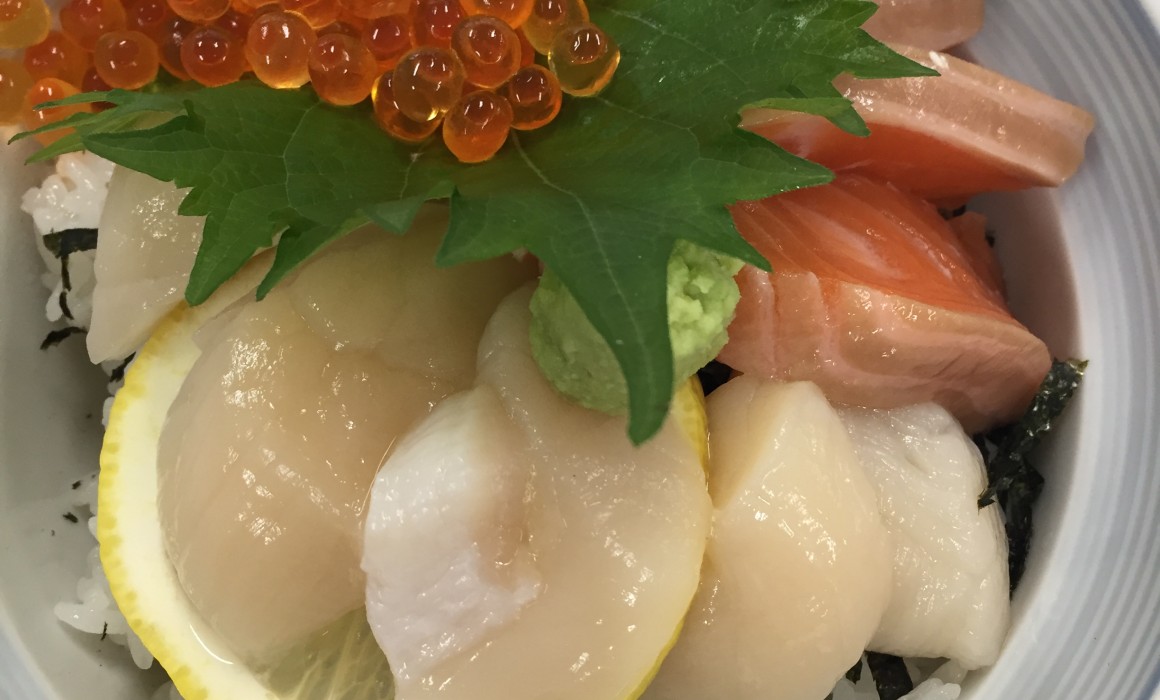
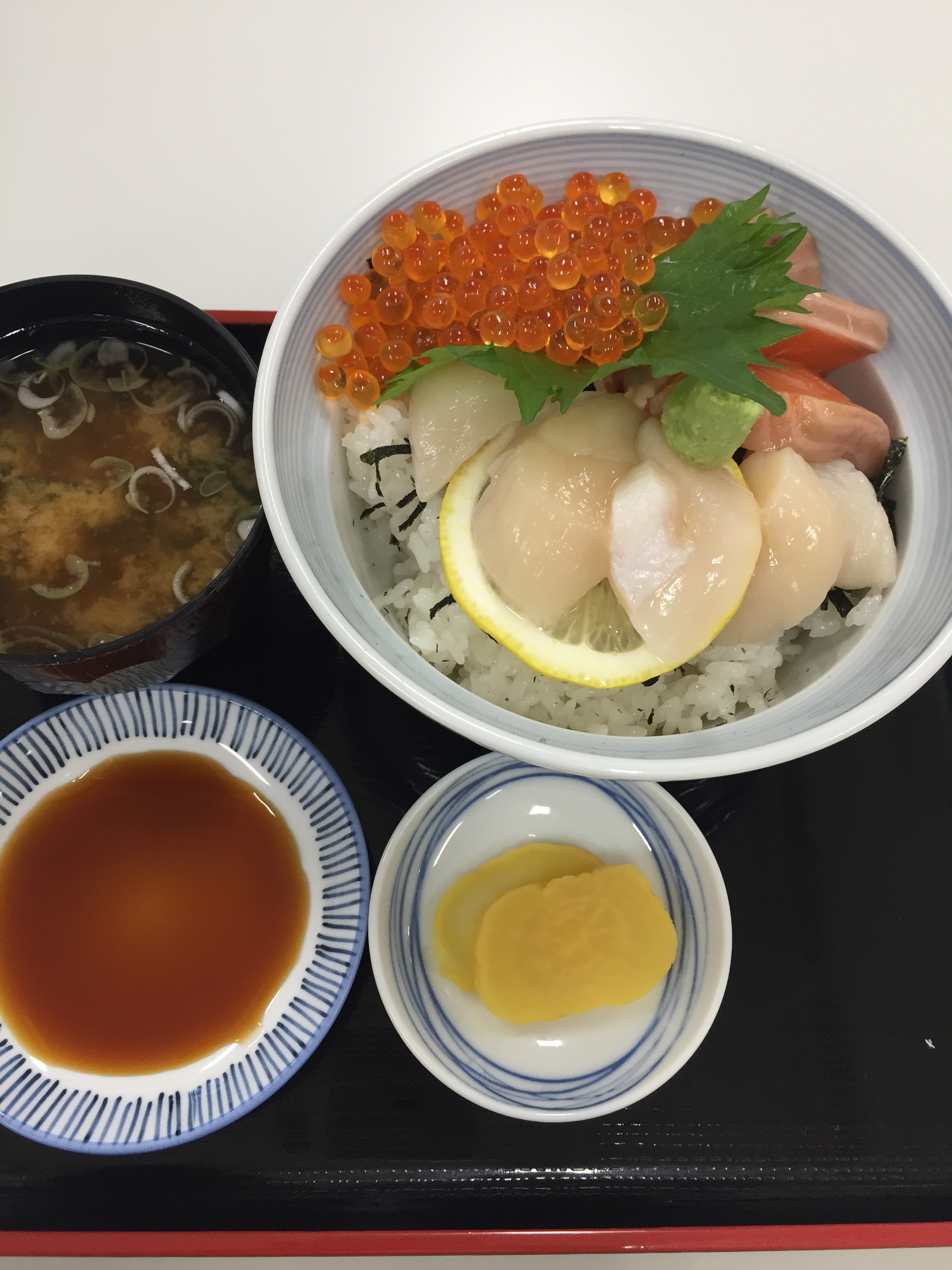
Sakana Ichiba restaurant in Miyako City, Iwate Prefecture offers a cheap set meal of fresh seafood. It’s very good.


岩手県宮古市の魚市場食堂
とれたてで新鮮な魚介類の定食がとても安くておいしいです。
 
1C3174FC-84E0-4709-B9D8-F6AC3BC7EEE1


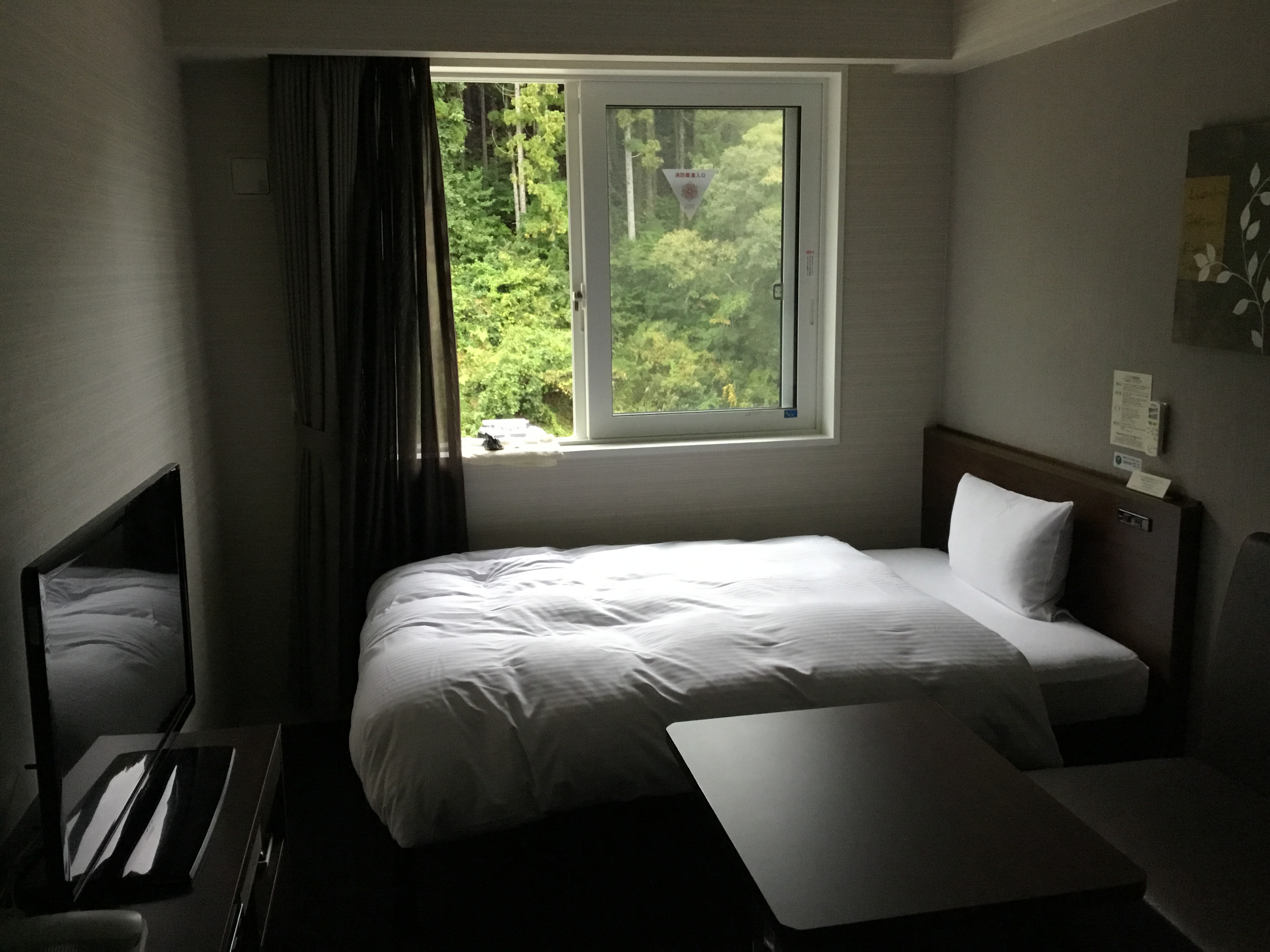
Hotel Route Inn Miyako

It is not a hot spring, but it has a large public bath, the room is very clean and the staff is very kind.
There is a free coffee stand on the first floor.
The meal was 1300 yen for dinner and 1000 yen for breakfast, but it was cheap and delicious.

map


ホテルルートイン宮古
温泉では無いですが、大浴場が付いていて、部屋もとても綺麗で、スタッフもとても親切です。
1階に無料のコーヒースタンドもあります。
食事も夕食1300円、朝食1000円の割には安いクテおいしいです。
 
668ECB08-9C52-4A52-B82F-F97E02F761CD


6D23710B-08A4-4830-A72F-9C93C160F214


I stayed for 4 nights because it was cheap and comfortable.
 
安くて居心地が良いため、私は4泊することになりました


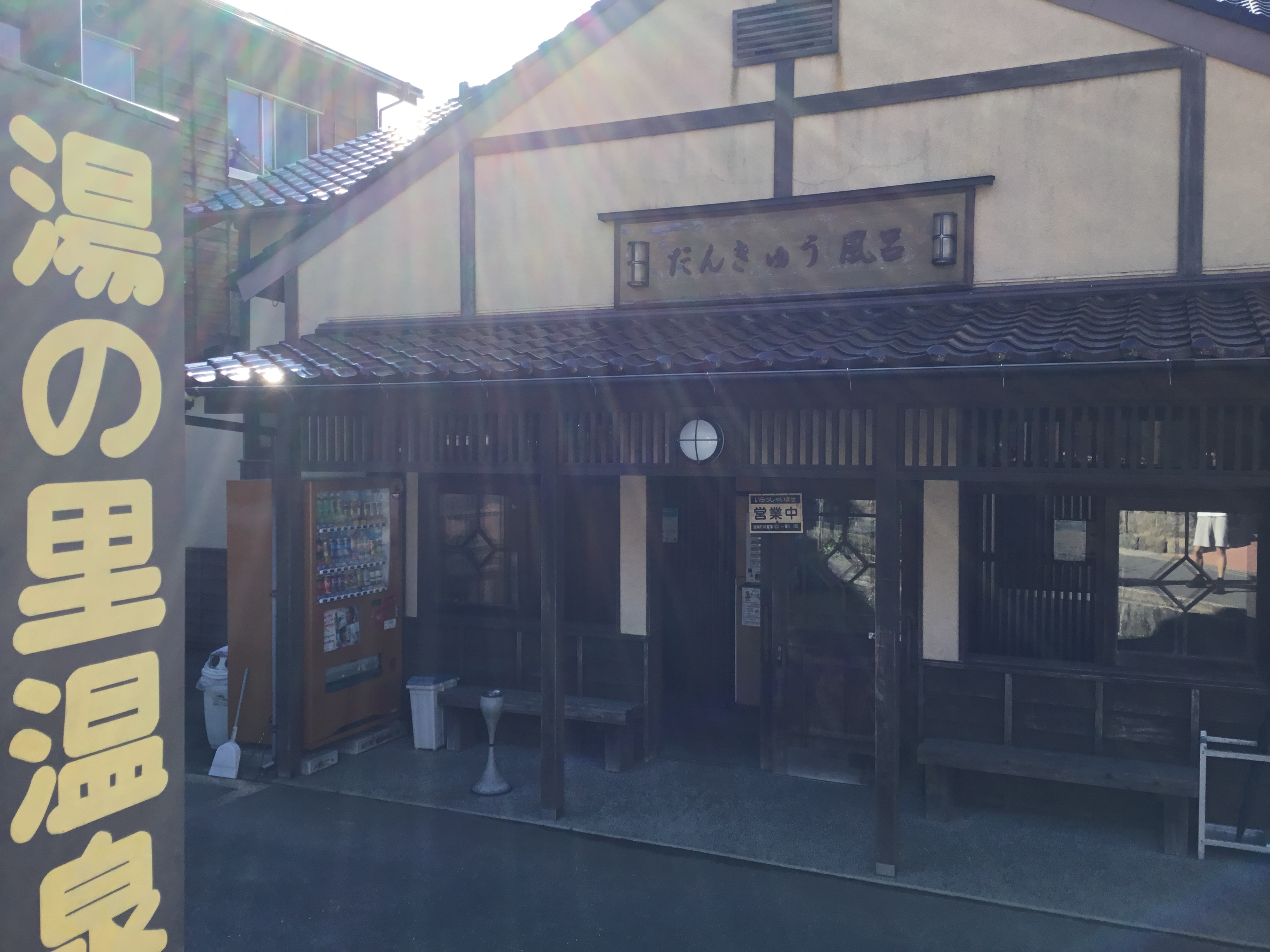
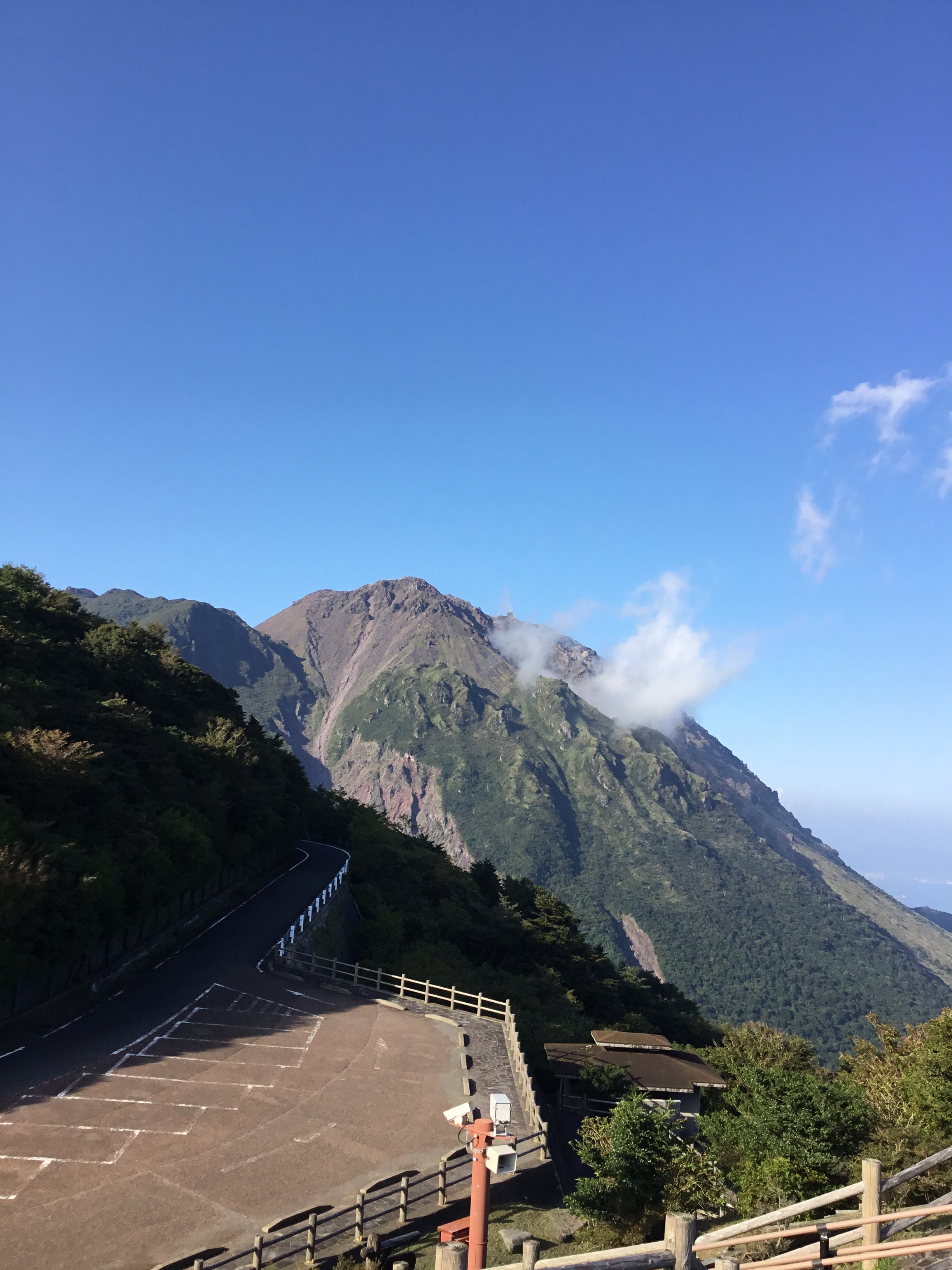
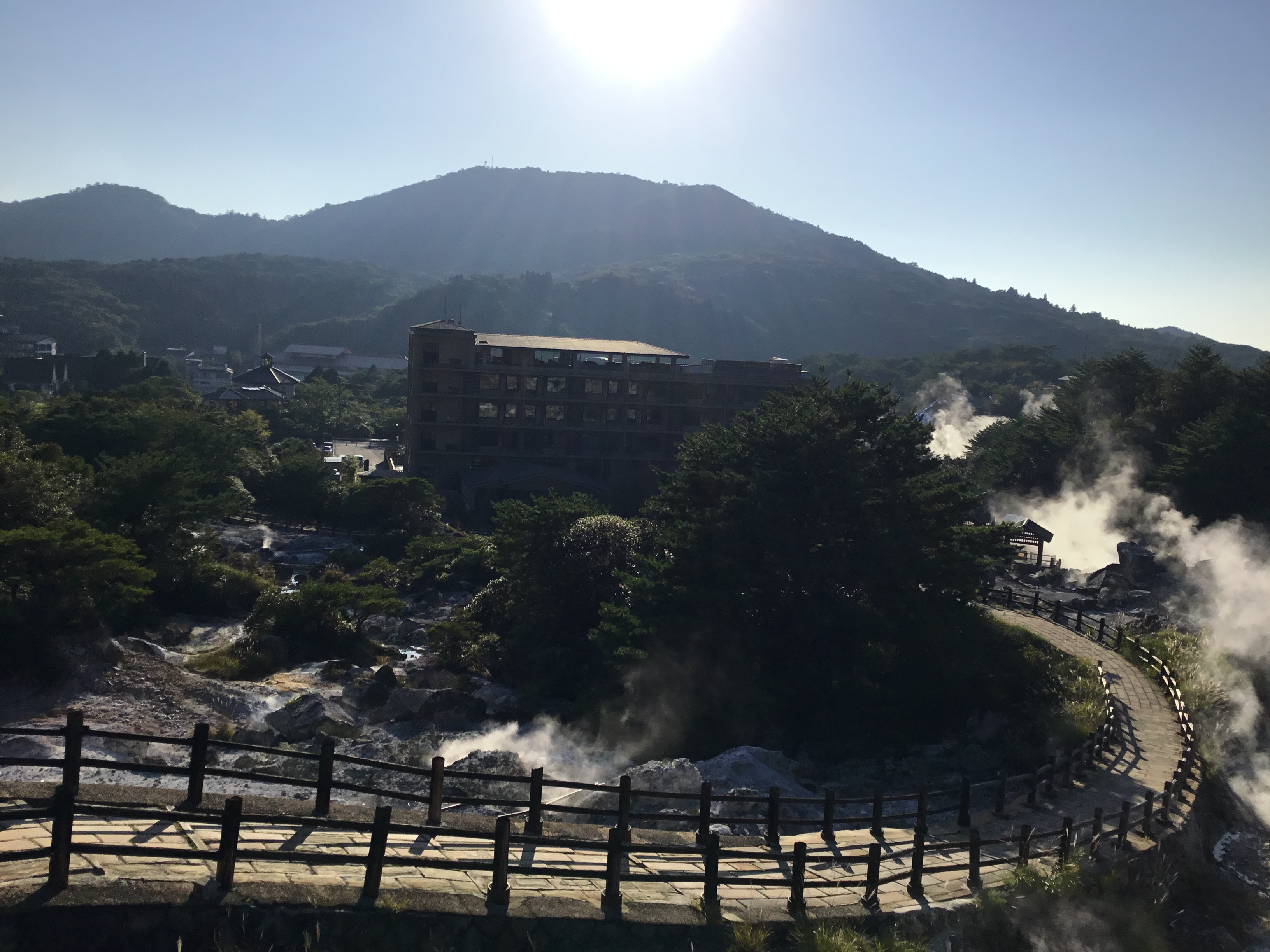
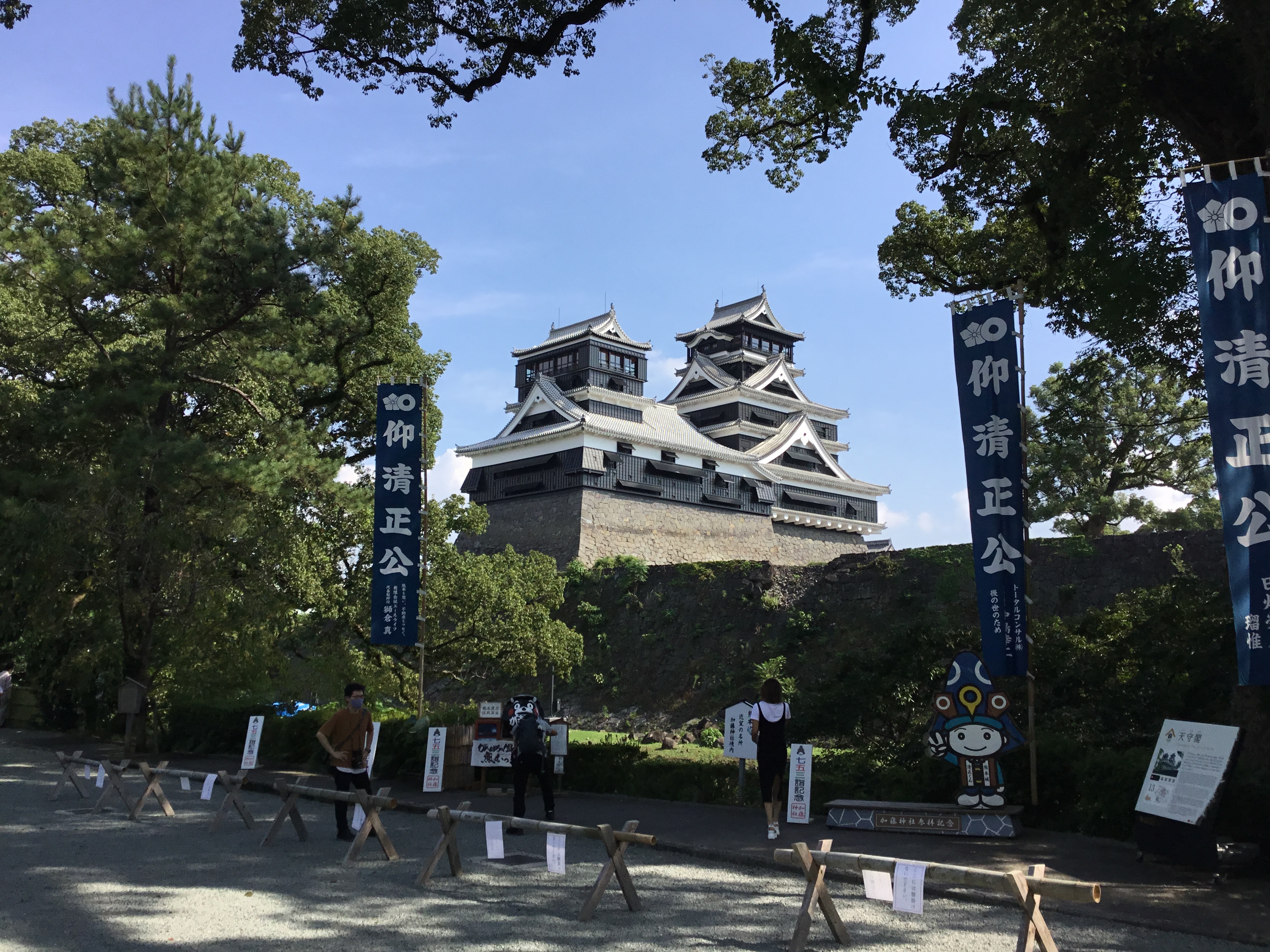
Unzen Hot Spring,Kumamoto Castle,Mt. Aso 雲仙温泉 熊本城 阿蘇山


The middle of a trip around Kyushu
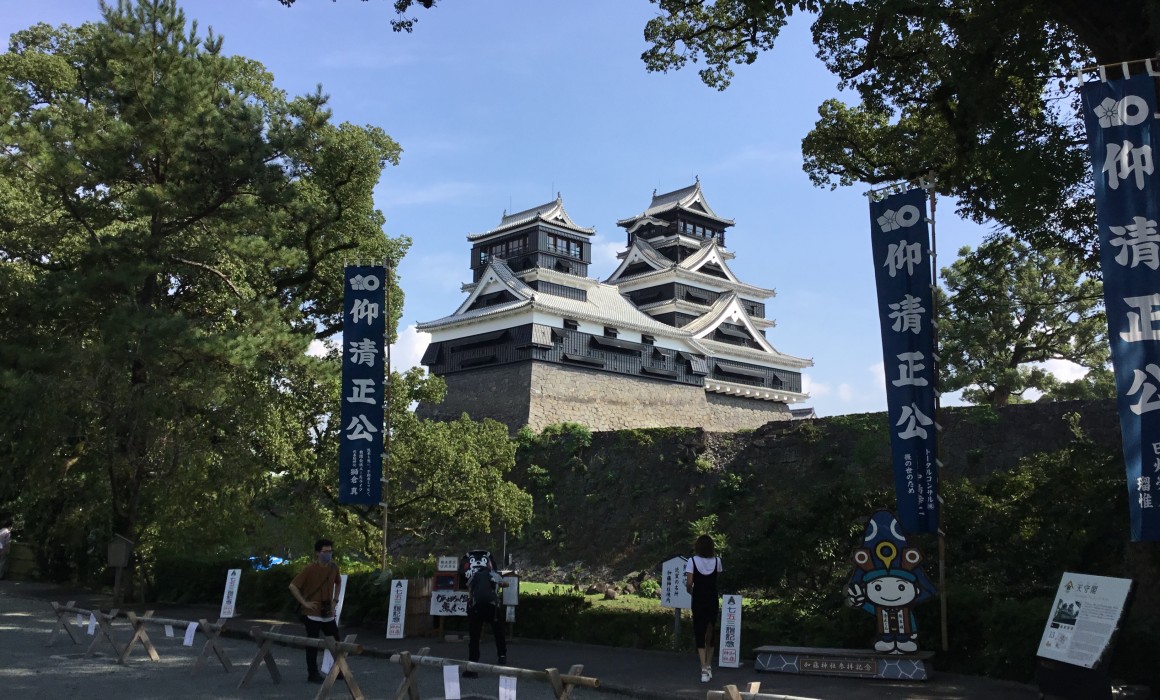
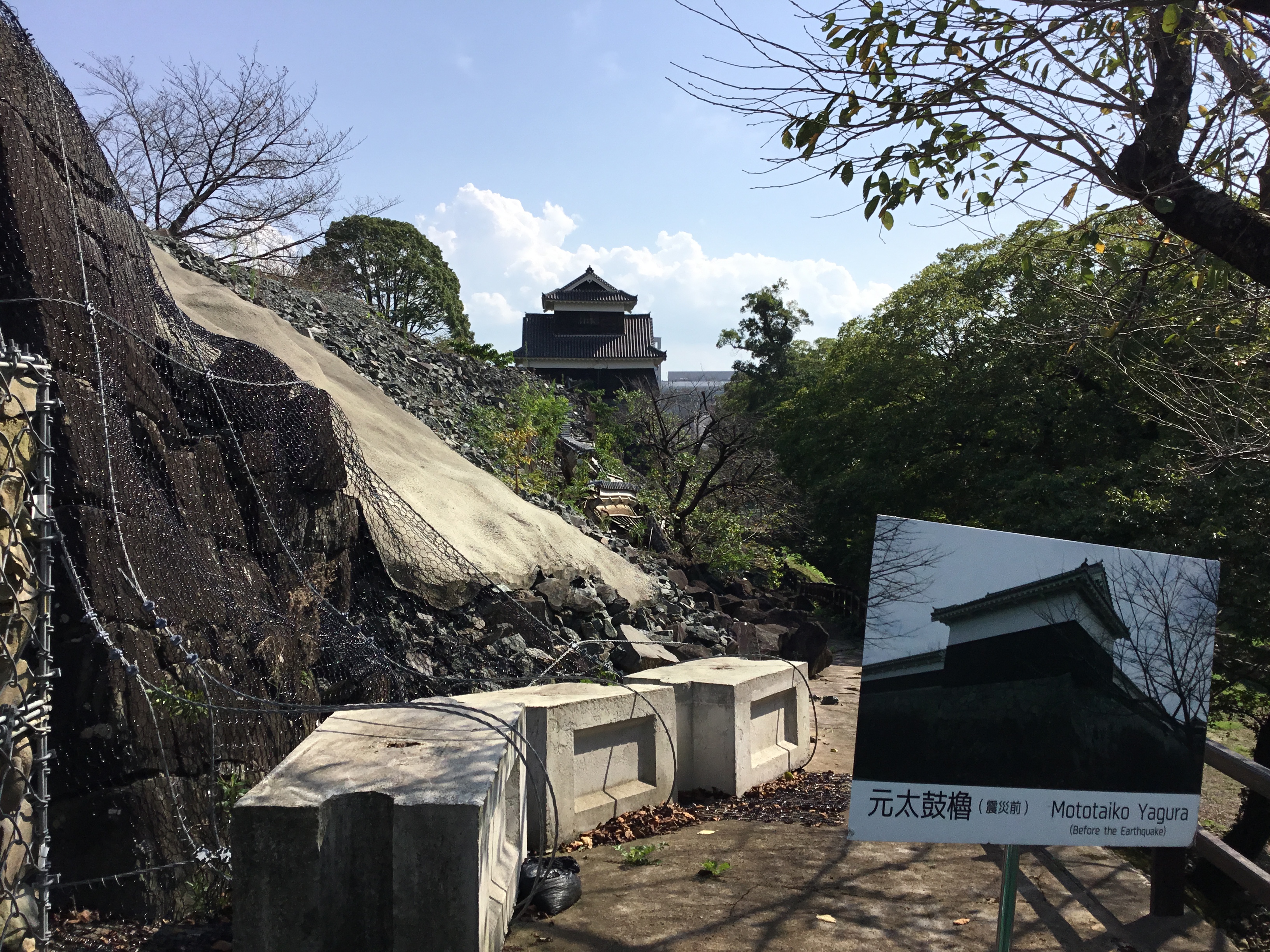
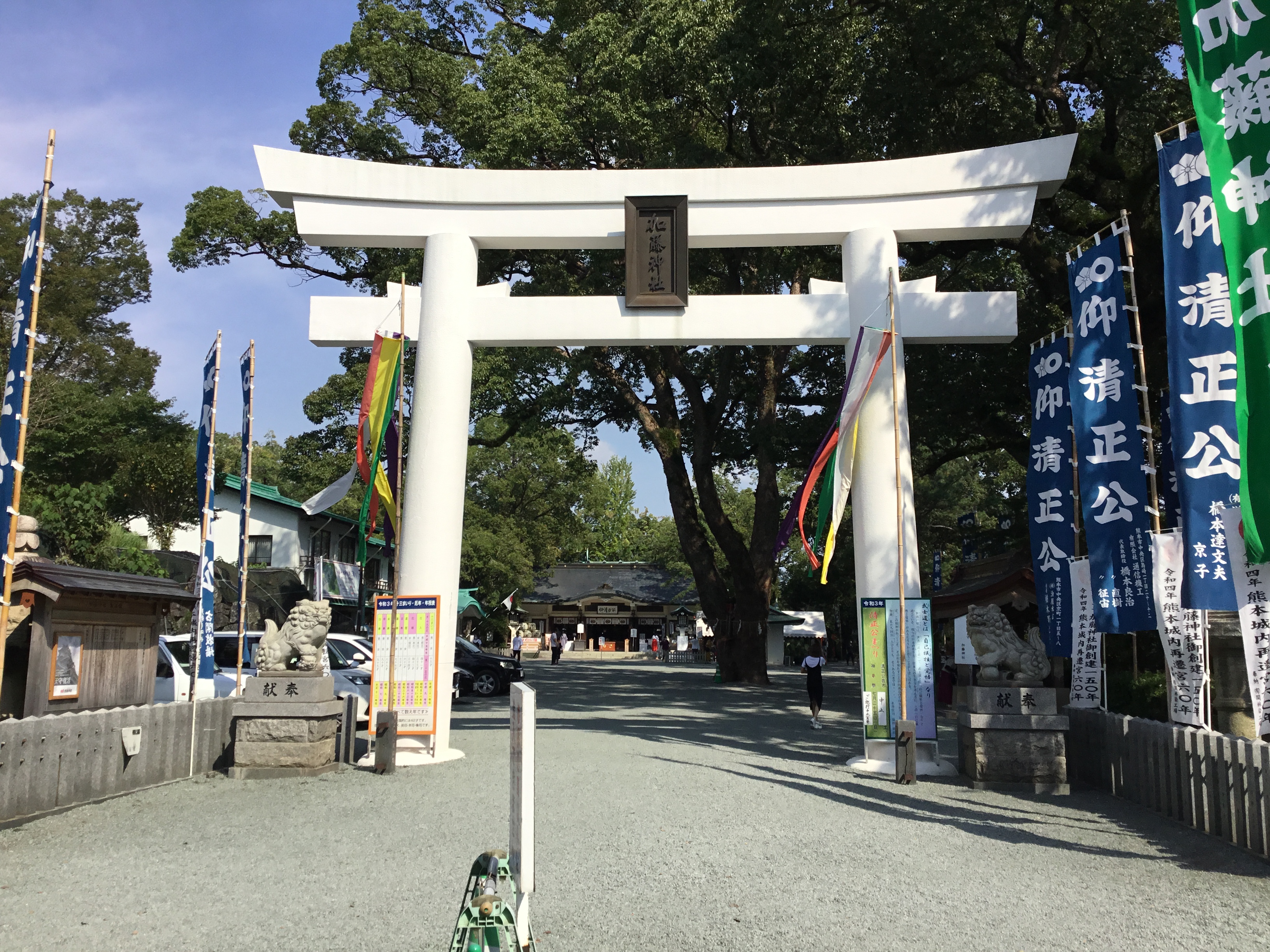
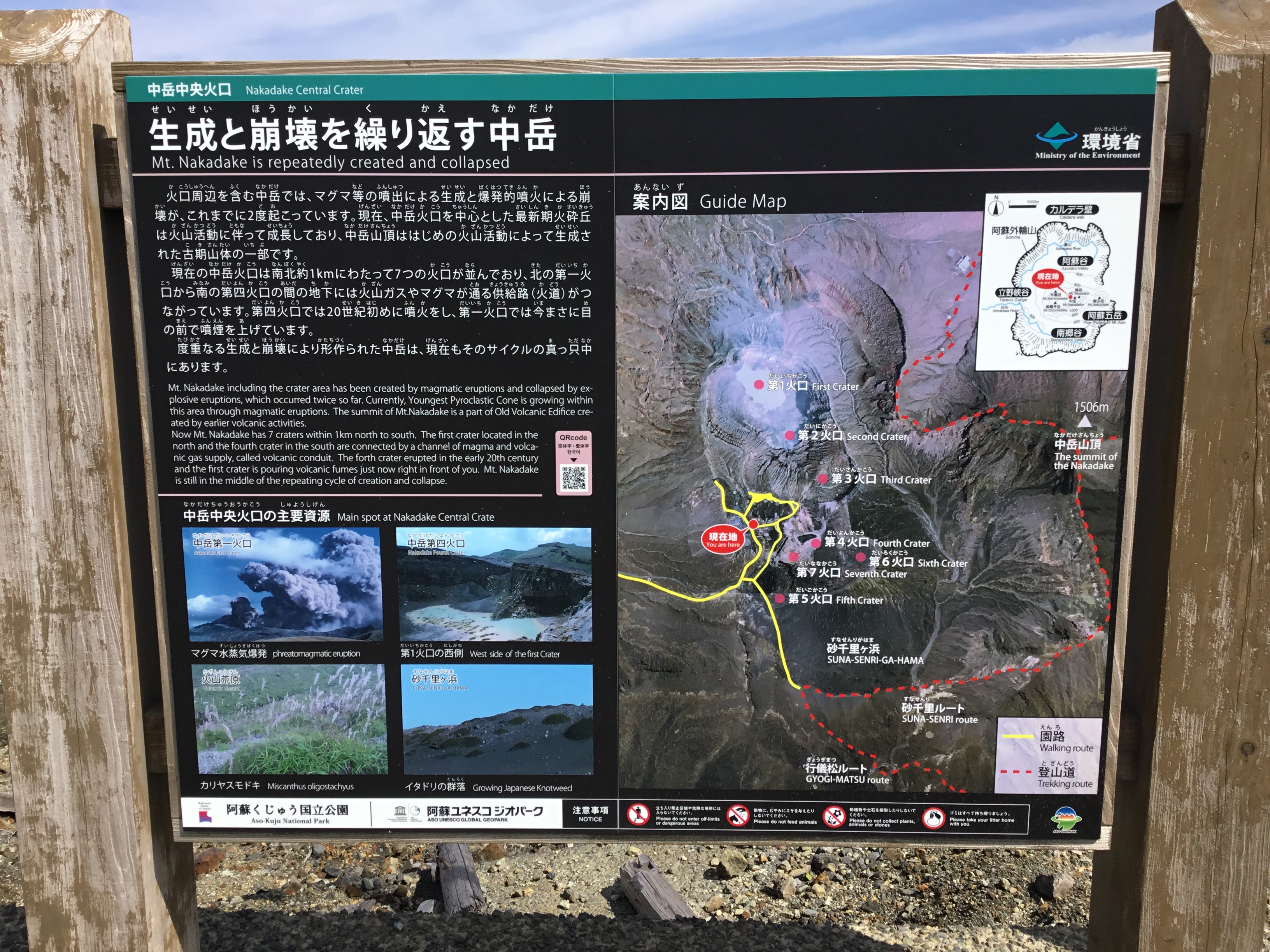
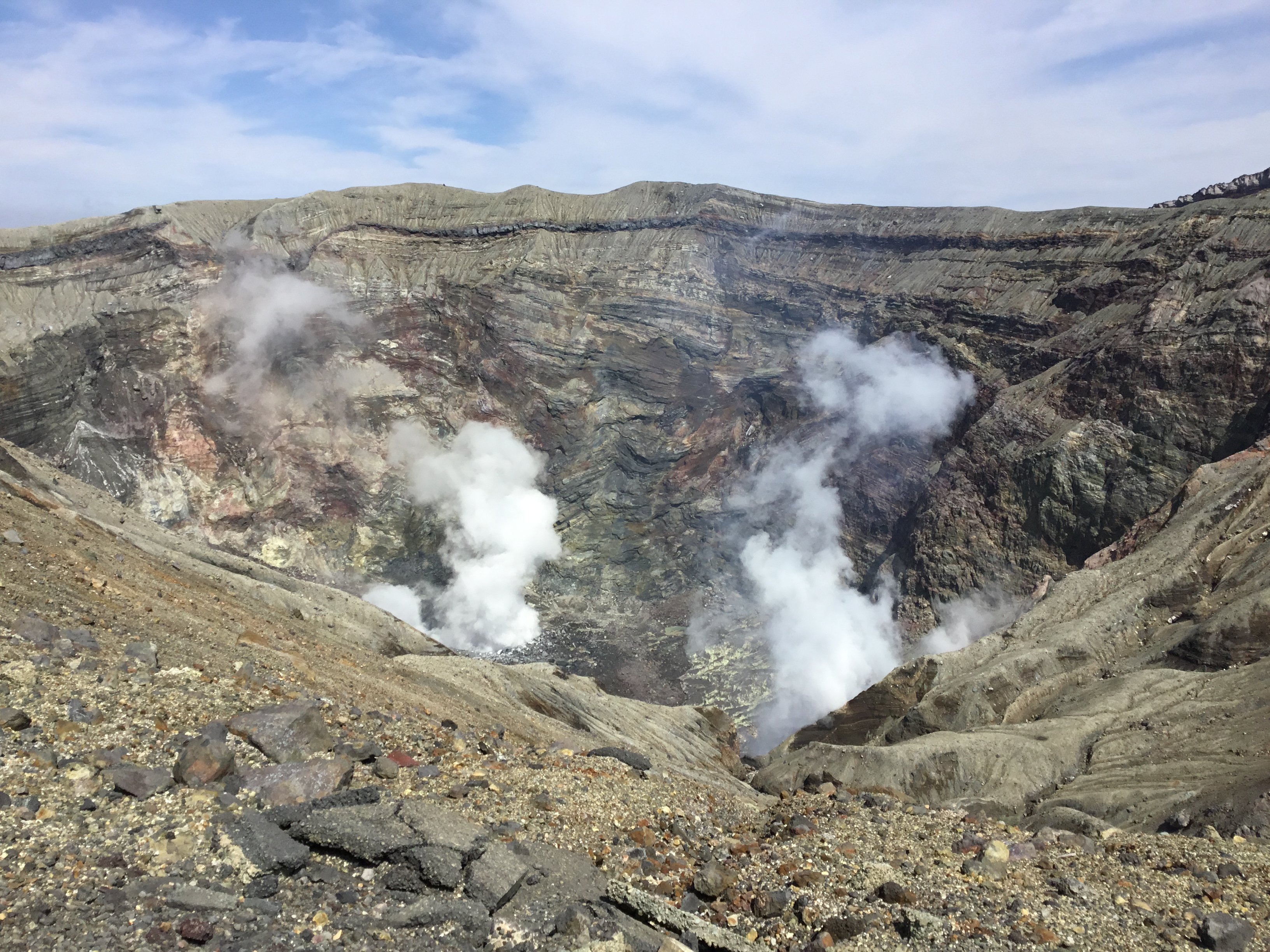
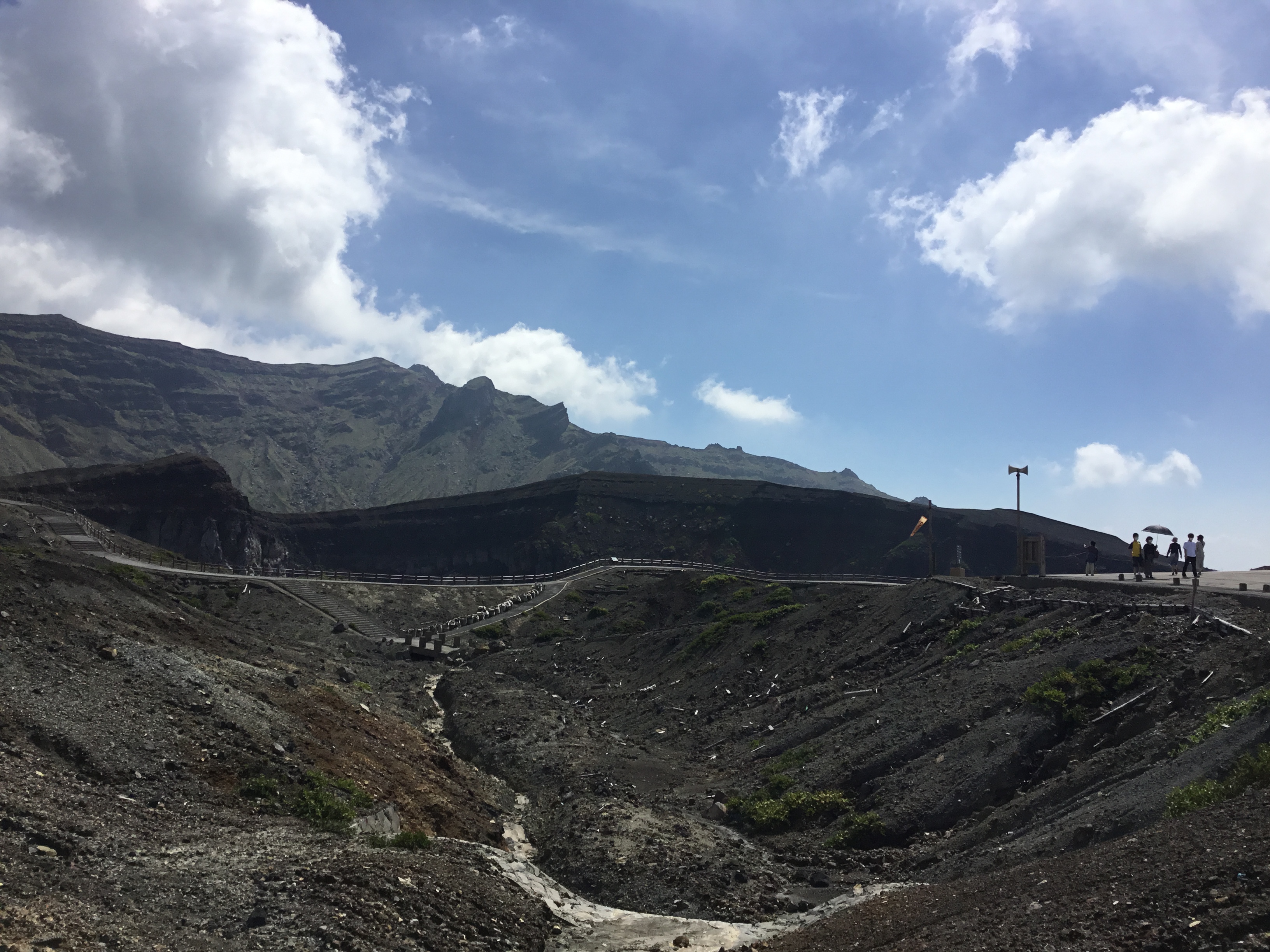
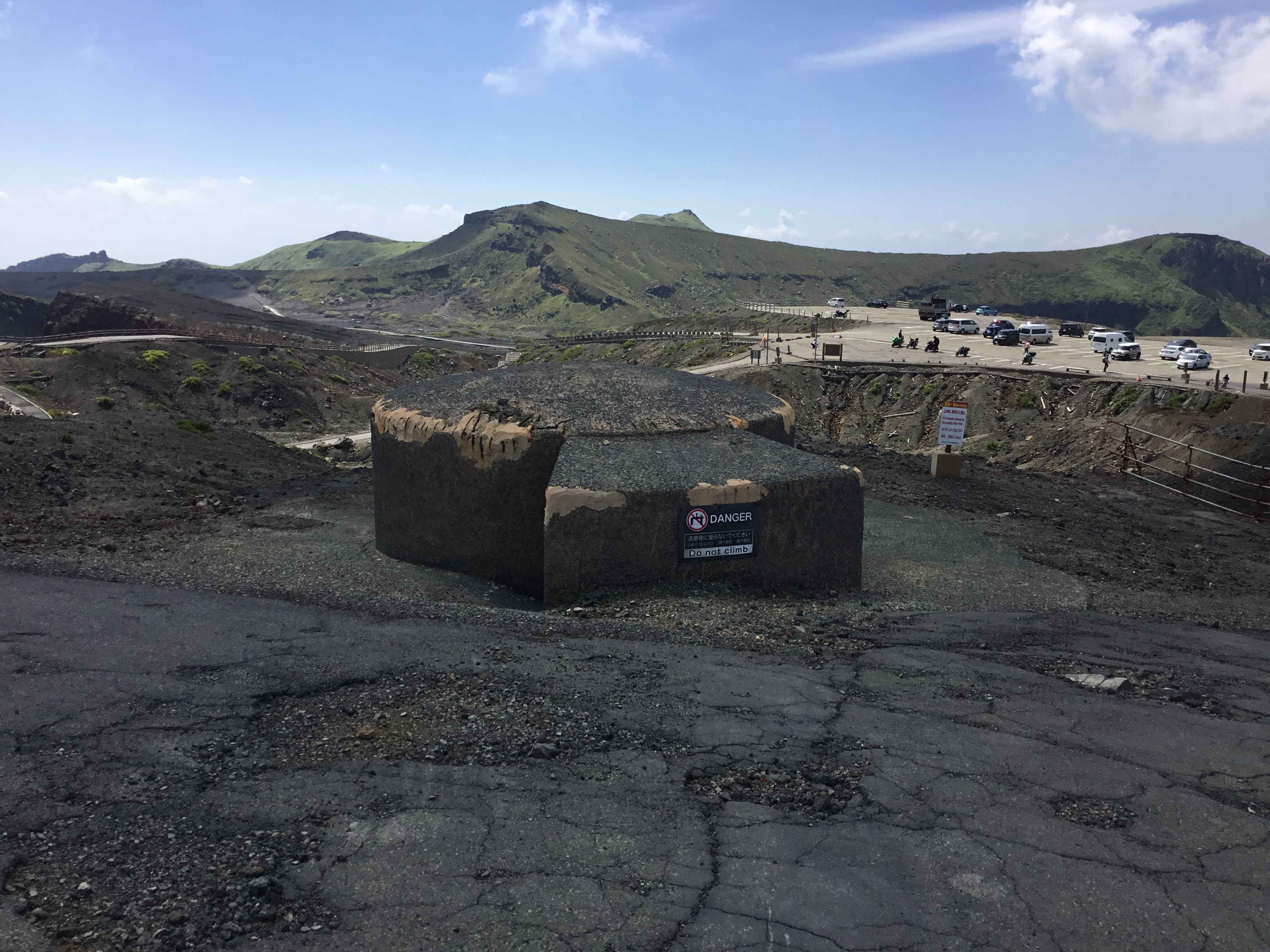
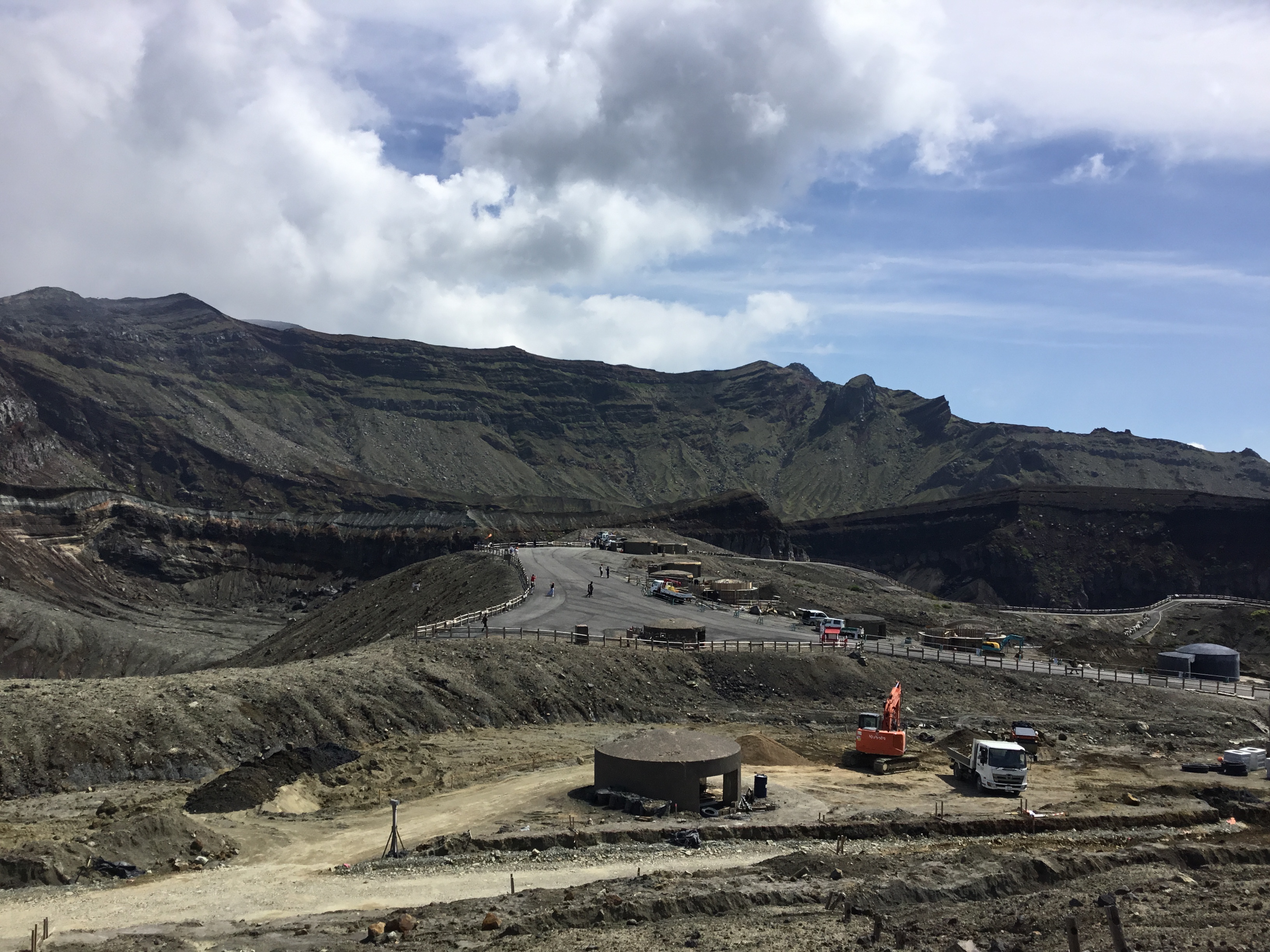
I stayed overnight at Unzen Onsen and visited Kumamoto Castle and Mt. Aso.


九州1周旅の中盤
雲仙温泉で一泊し、熊本城と阿蘇山を見学しました。


EAA45617-951D-4DA5-8E86-7F0321E61E09


EB92E2B0-F4D8-40E7-B257-E9A79FBD8DA4


C2164B56-DB02-4A44-A04D-B40FF4850F19


46130A00-5DF9-453F-AEFA-775B906EECA7


F17B598B-0668-428A-ABFB-326377A27009


FDB08750-EC2C-42A4-825B-E34369E3221E


D0984697-3AD3-49D3-9538-45EDDBE99917


19F23060-8555-4F18-9B9C-32D6040821D8


BA272BCE-2B19-4F9B-B43D-98DCBB7A79DA


DD038668-99F8-466E-B5A2-830D6452BD80


8CAB7357-0765-4F6A-B3F7-D6F3D5E2F2C1


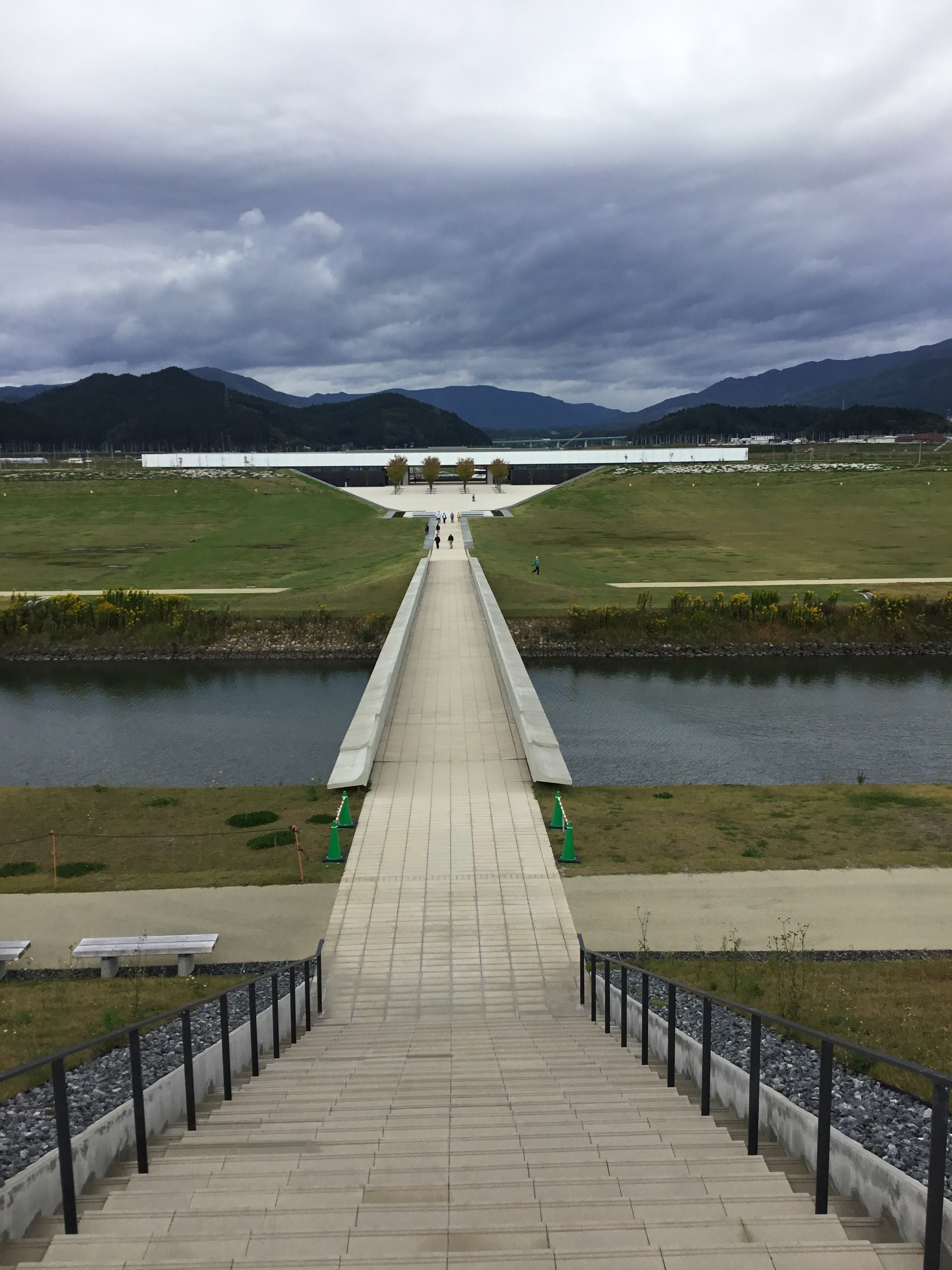
Rikuzentakata 陸前高田 東日本大震災津波伝承館


Rikuzentakata Great East Japan Earthquake Tsunami Museum

https://iwate-tsunami-memorial.jp/


C4058F39-C6FE-40F5-B847-D03D817E6E38

Wikipedia excerpt
The Miraculous Ipponmatsu is a pine tree monument that stands on the site of Takata Matsubara in Kesen-cho, Rikuzentakata, Iwate Prefecture.
One of the remains of the Great East Japan Earthquake.
Takata Matsubara, which faces Hirota Bay and leads to the Pacific Ocean, is a scenic spot that has been designated as one of Rikuchu Kaigan National Park (now Sanriku Fukko National Park) and one of the 100 Views of Japan, with about 70,000 pine trees planted for 350 years. However, most of the pine trees were flattened and destroyed by the tsunami caused by the Tohoku District – Off the Pacific Ocean Earthquake on March 11, 2011 (2011).

However, as a tree standing near the western edge of Matsubara survived the tsunami and remained standing, the Great East Japan Earthquake caused extensive damage not only to Rikuzentakata City but also to the entire Pacific coastal area of eastern Japan, and this tree came to be regarded as a symbol of hope for recovery from the earthquake, and was called the “Miracle Pine Tree” or the “Pine of Hope.”


ウィキペディア抜粋
奇跡の一本松は、岩手県陸前高田市気仙町の高田松原跡地に立つ松の木のモニュメントである。
東日本大震災の震災遺構のひとつ。
太平洋につながる広田湾に面した高田松原は、350年にわたって植林されてきた約7万本の松の木が茂り、陸中海岸国立公園(現三陸復興国立公園)や日本百景にも指定されていた景勝地であったが、2011年(平成23年)3月11日に発生した東北地方太平洋沖地震による津波の直撃を受け、ほとんどの松の木がなぎ倒されて壊滅した。

しかし、松原の西端近くに立っていた一本の木が津波に耐えて、立ったままの状態で残ったことから、東日本大震災が陸前高田市のみならず広く東日本の太平洋沿岸地域一帯に甚大な被害をもたらした中にあって、この木は震災からの復興への希望を象徴するものとして捉えられるようになり、「奇跡の一本松」や「希望の松」などと呼ばれるようになった。


E0263165-2E38-4531-AEB3-4844F398EBCE


D2A6A4F6-5761-467B-9F37-C92FB4D49AB7


6FB85510-AD53-4C38-9BB0-596FA49D35E4


06253365-8140-432D-82F4-BDF6478CD5A0


B10BFB94-69FB-4D6F-9AE2-1DF30DCAB0B3


DC1D5B9B-2154-44EA-95B4-5786EED231CE


3C10BBAC-649E-4F36-B6CF-C5333447F881


CDC310F7-0EA9-480E-8049-26A73DD0E680