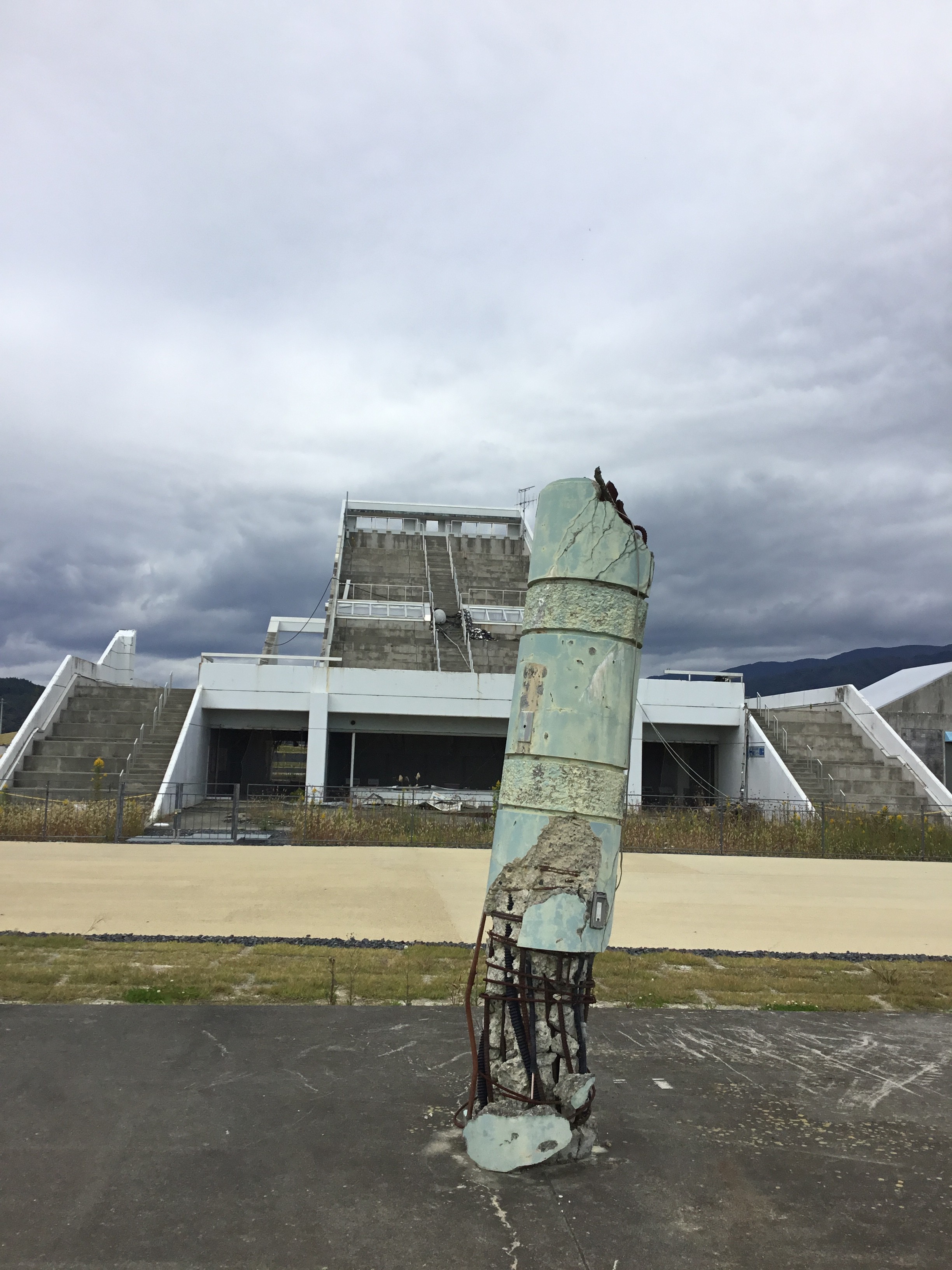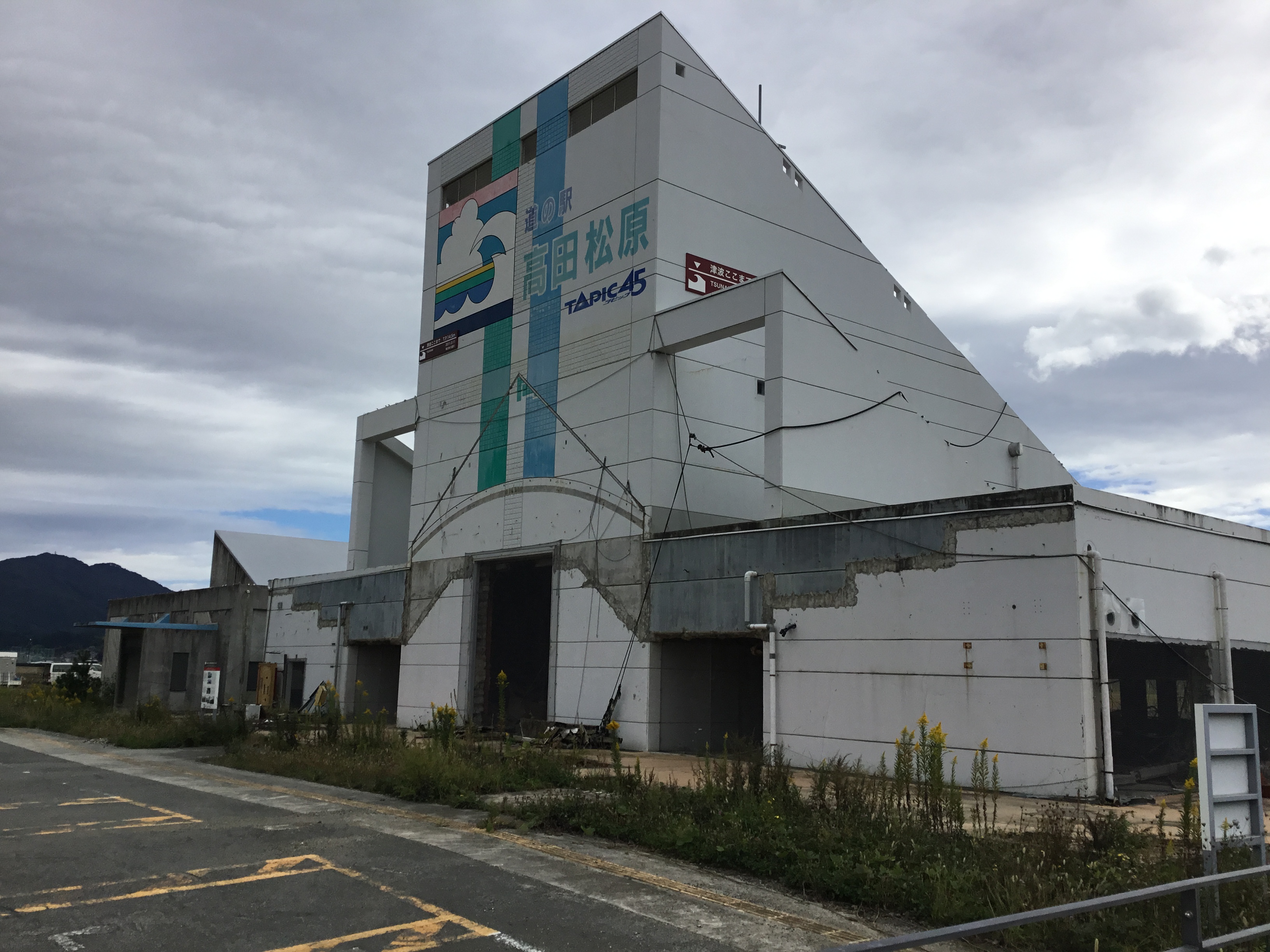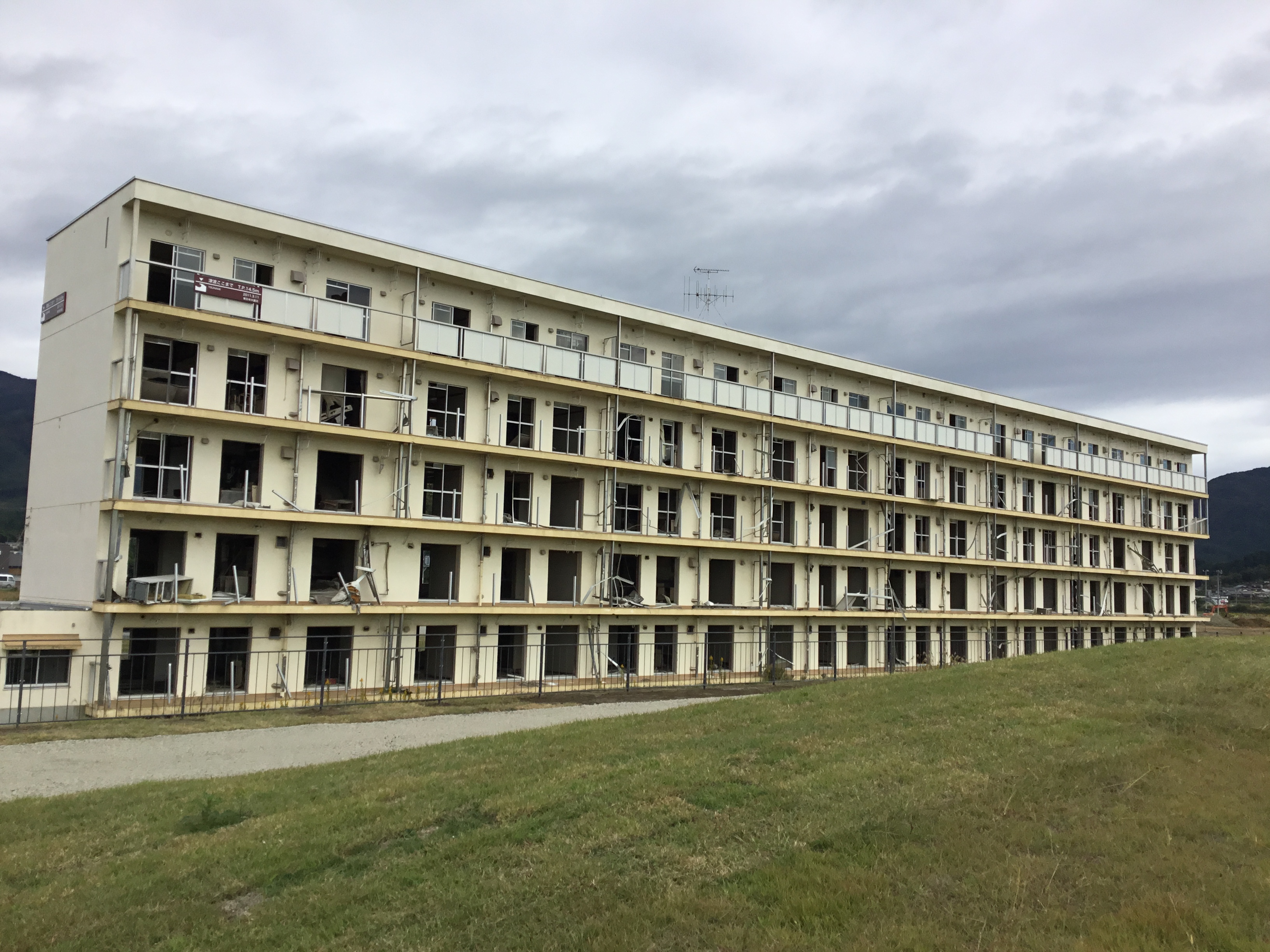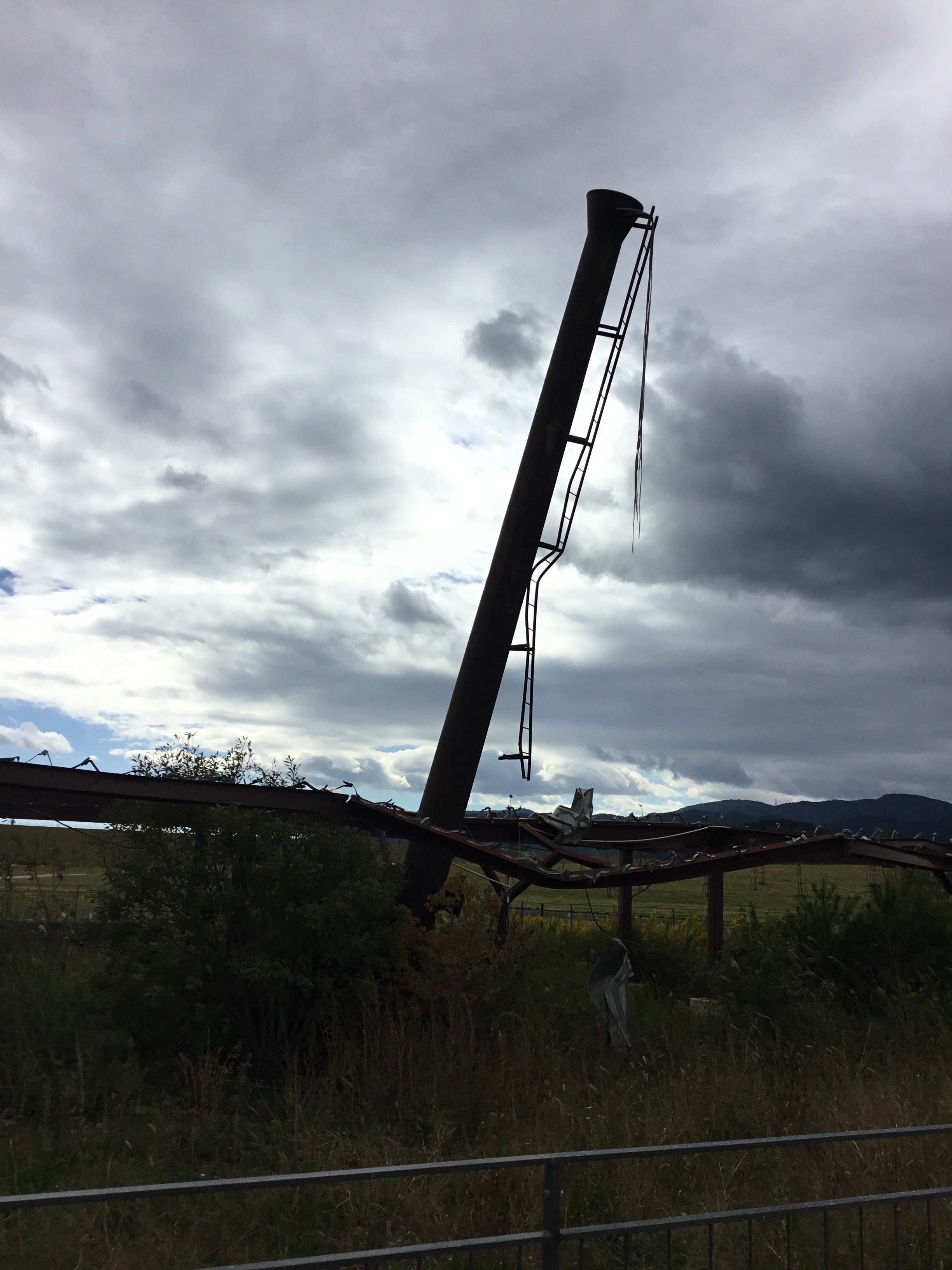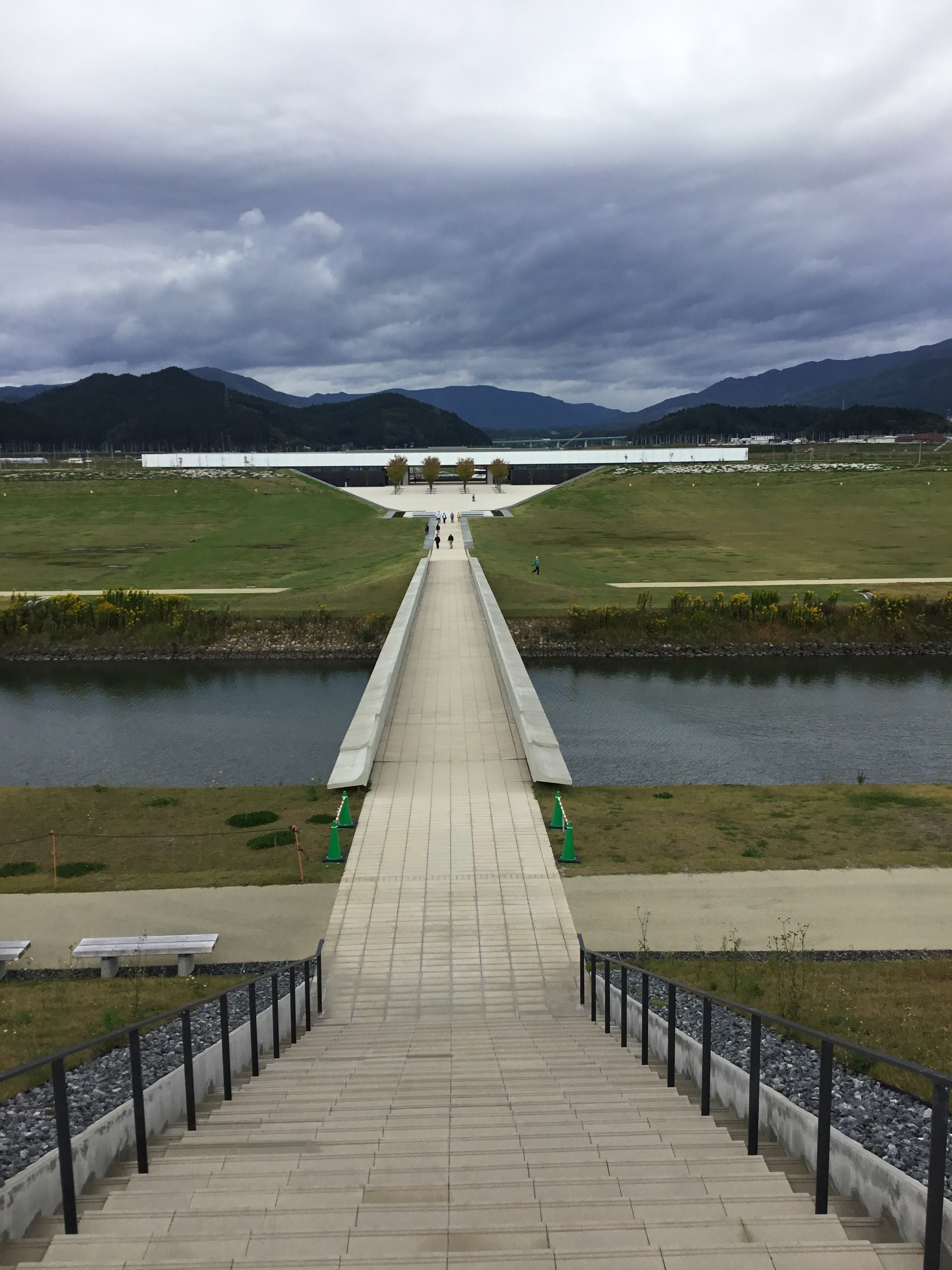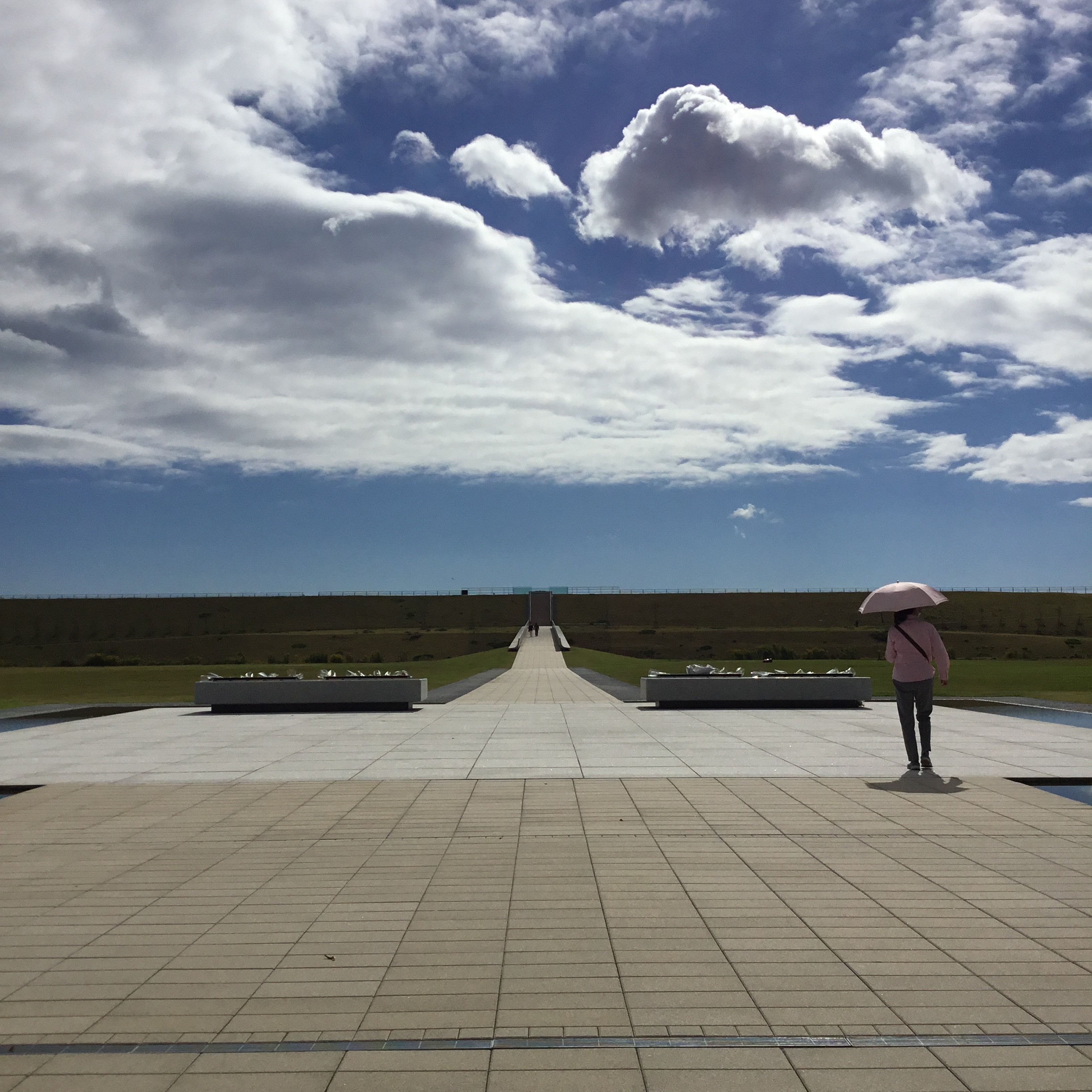
Rikuzentakata 陸前高田 東日本大震災津波伝承館
Rikuzentakata Great East Japan Earthquake Tsunami Museum
https://iwate-tsunami-memorial.jp/
Wikipedia excerpt
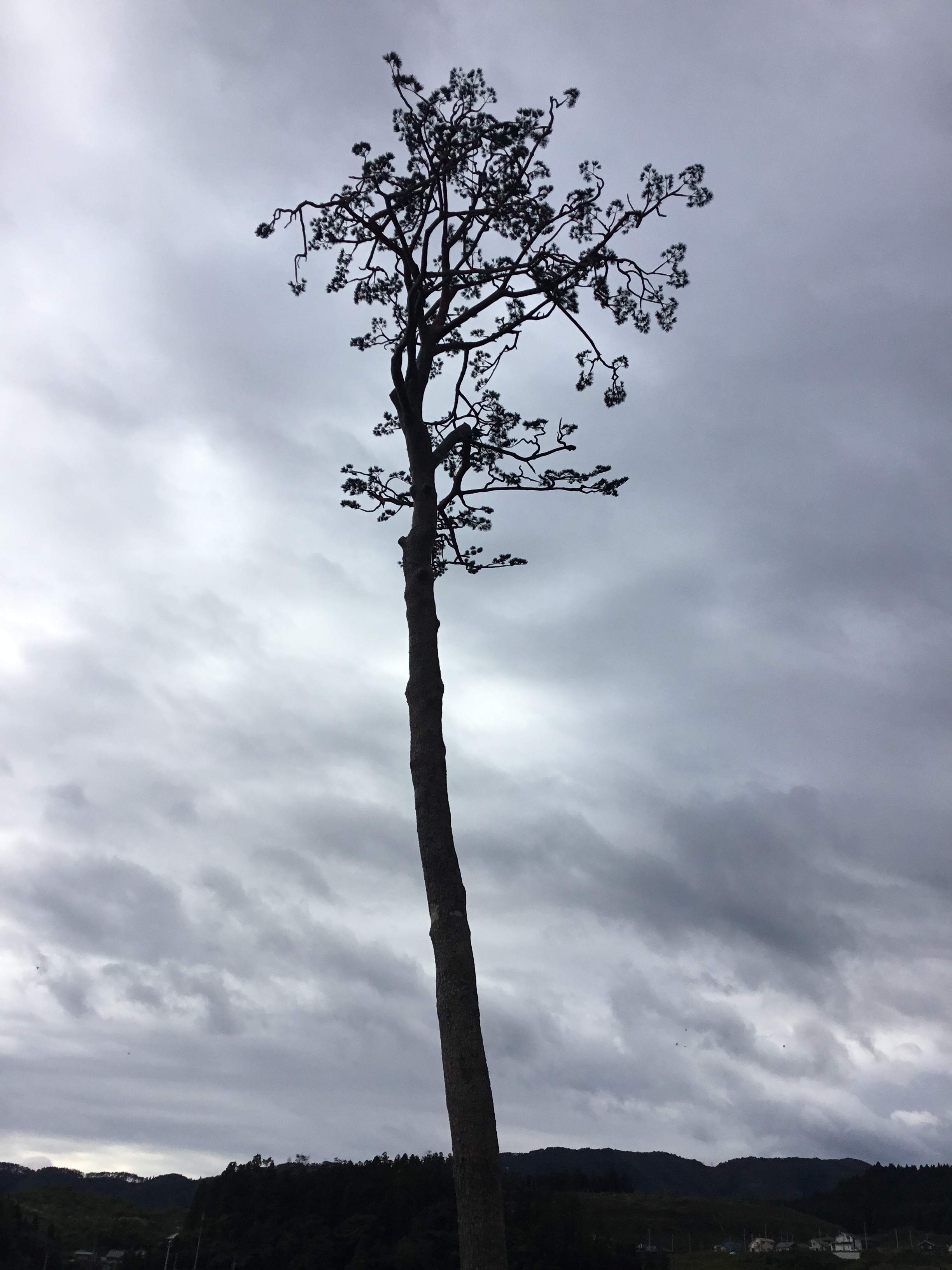
The Miraculous Ipponmatsu is a pine tree monument that stands on the site of Takata Matsubara in Kesen-cho, Rikuzentakata, Iwate Prefecture.
One of the remains of the Great East Japan Earthquake.
Takata Matsubara, which faces Hirota Bay and leads to the Pacific Ocean, is a scenic spot that has been designated as one of Rikuchu Kaigan National Park (now Sanriku Fukko National Park) and one of the 100 Views of Japan, with about 70,000 pine trees planted for 350 years. However, most of the pine trees were flattened and destroyed by the tsunami caused by the Tohoku District – Off the Pacific Ocean Earthquake on March 11, 2011 (2011).
However, as a tree standing near the western edge of Matsubara survived the tsunami and remained standing, the Great East Japan Earthquake caused extensive damage not only to Rikuzentakata City but also to the entire Pacific coastal area of eastern Japan, and this tree came to be regarded as a symbol of hope for recovery from the earthquake, and was called the “Miracle Pine Tree” or the “Pine of Hope.”
ウィキペディア抜粋
奇跡の一本松は、岩手県陸前高田市気仙町の高田松原跡地に立つ松の木のモニュメントである。
東日本大震災の震災遺構のひとつ。
太平洋につながる広田湾に面した高田松原は、350年にわたって植林されてきた約7万本の松の木が茂り、陸中海岸国立公園(現三陸復興国立公園)や日本百景にも指定されていた景勝地であったが、2011年(平成23年)3月11日に発生した東北地方太平洋沖地震による津波の直撃を受け、ほとんどの松の木がなぎ倒されて壊滅した。
しかし、松原の西端近くに立っていた一本の木が津波に耐えて、立ったままの状態で残ったことから、東日本大震災が陸前高田市のみならず広く東日本の太平洋沿岸地域一帯に甚大な被害をもたらした中にあって、この木は震災からの復興への希望を象徴するものとして捉えられるようになり、「奇跡の一本松」や「希望の松」などと呼ばれるようになった。